

Replacing aluminium windows is an important investment that can affect a home’s comfort, energy efficiency, security, ventilation and appearance. Before proceeding with a full replacement, the condition of the existing frames, glass, seals and hardware should be assessed to determine what is causing the problem and whether targeted repairs may be sufficient.
Experienced glaziers in Hobart, including Ausflet Glass & Aluminium, can inspect existing windows and recommend suitable residential glazing options for the property, local conditions and expected performance. By considering the condition of the opening, glazing requirements, ventilation, thermal performance and applicable Australian standards, homeowners can make informed decisions that provide lasting value.
Aluminium windows are durable, but frames, finishes, seals and moving components can deteriorate over time. Replacement may become appropriate when the windows no longer operate securely, keep out the weather or provide reasonable comfort.
A window should be assessed as a complete system rather than judged by appearance alone. Problems may come from the aluminium frame, glass, hardware, seals, installation or surrounding wall.
Bent, warped or twisted frames can prevent sashes from closing properly. This may lead to draughts, rattling, water entry and difficulty operating or locking the window.
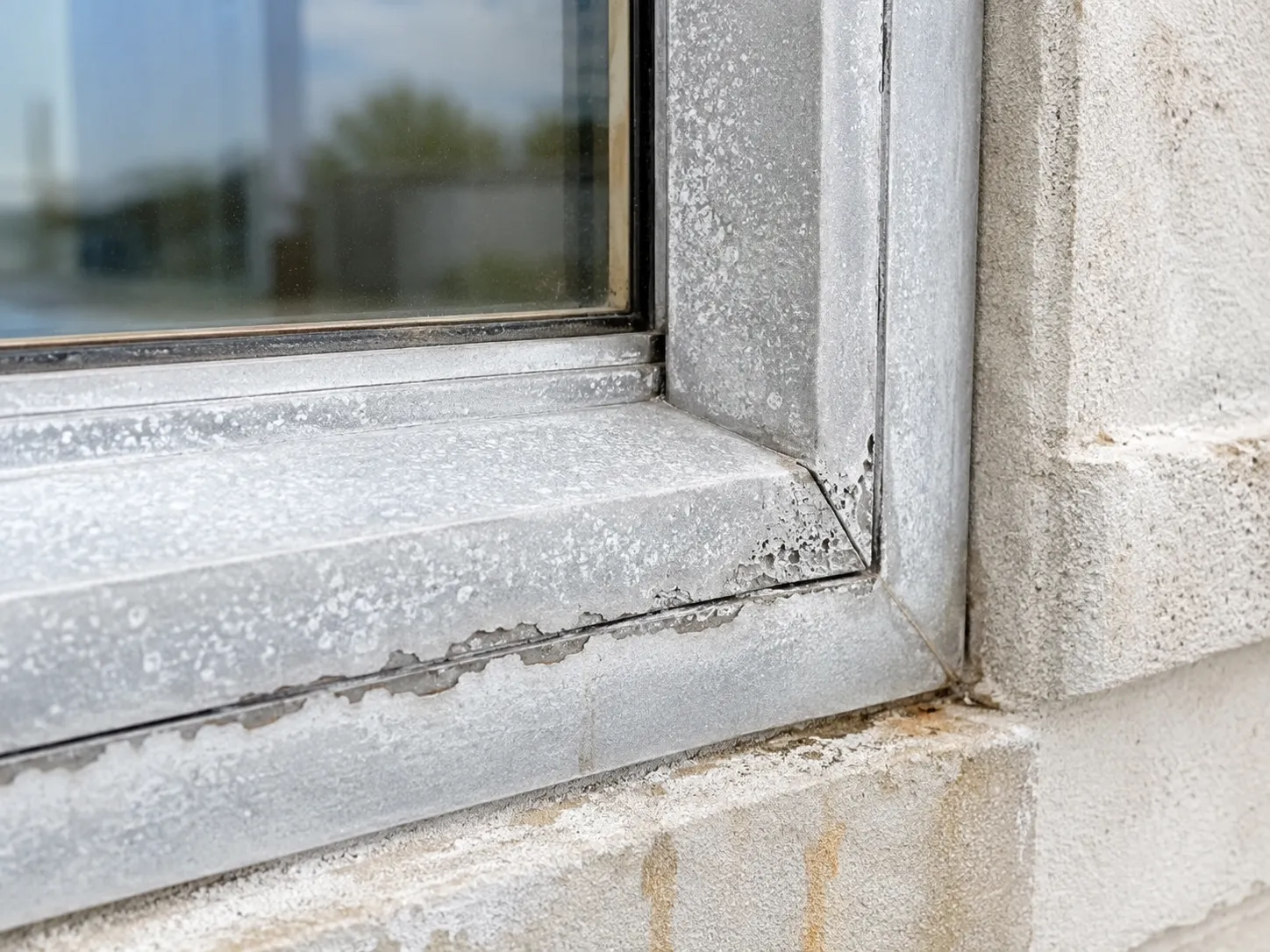
Corrosion is another warning sign, particularly in coastal or exposed locations. Pitting, bubbling finishes, powdery white residue and flaking coatings may indicate that moisture or salt has affected the aluminium.
Minor surface corrosion may sometimes be cleaned, treated and refinished. However, deep pitting around corners, joints or fixing points may indicate advanced deterioration and should be professionally assessed to determine whether repair remains practical.
Cracked glazing beads, loose seals and perished gaskets can also allow water to enter the frame or surrounding wall. Where deterioration affects several windows or cannot be repaired reliably, replacement may provide a more durable result.
Aluminium windows should open, close and lock smoothly. Sticking, scraping, sagging or jamming may be caused by worn rollers, damaged hinges, misaligned sashes or distorted frames.
Handles that turn without engaging, latches that do not close properly and locks that no longer align with their keeps can reduce security. Replacing worn hardware may extend the window’s service life where the frame remains sound. However, new locks and rollers will not correct a severely distorted frame or unstable opening.
Windows that form part of a household fire-escape plan should also open easily and remain clear of obstructions. A window that has been painted shut, permanently jammed or made difficult to operate should be repaired or assessed for replacement.
Persistent draughts around the sash or frame may indicate failed weather seals, gaps in joints, distorted components or poor installation. If leakage remains after seals and hardware have been adjusted or replaced, the window may no longer be capable of providing a reliable weather-tight seal.
Water stains, peeling paint, damaged plaster or mould around the reveal may indicate a leaking window. However, the source may also be failed perimeter sealant, inadequate flashing, blocked drainage paths or defects in the surrounding wall.
The cause of the moisture should be identified before installing a replacement window. Otherwise, the same problem may continue after the new unit is fitted.
Condensation between the panes of double glazing usually indicates that the window glass seal has failed. Moisture has entered the cavity, reducing visibility and insulating performance.

Where the aluminium frame remains in good condition, it may be possible to replace only the insulated glass unit. Full replacement may be more practical when the frame is damaged, poorly sealed or unable to accommodate suitable modern glazing.
Condensation on the room-facing surface of the glass can have several causes, including:
Interior condensation alone does not prove that a window needs replacing. Ventilation, heating, moisture sources and window performance should be considered together.
Older single-glazed aluminium windows without thermal breaks can also contribute to uncomfortable indoor temperatures. Aluminium conducts heat readily, which can make frames feel cold in winter and hot during summer.
Before arranging full replacement, identify whether the problem is coming from the frame, glass, hardware, seals or surrounding structure. Correct diagnosis can prevent unnecessary work and help ensure that any replacement windows perform properly.
Inspect the aluminium for corrosion, cracks, distortion and open joints. Check whether the frame appears square and firmly fixed within the opening.
Operate each sash several times. Sliding windows may become difficult to use because of worn rollers or damaged tracks, while awning and casement windows may develop problems with hinges, stays or winding mechanisms.
If the frame remains straight and structurally sound, replacing hardware may restore smooth operation and security without removing the entire window.
Cracked, chipped or loose glass should be assessed promptly. Depending on the condition and design of the frame, a glazier may be able to replace the pane while retaining the existing aluminium.
Perished rubber seals, glazing gaskets and weather strips can cause whistling, rattling and draughts. Replacing these components may provide an economical solution where the frame and glass remain serviceable.
Fogging between double-glazed panes normally requires replacement of the affected glass unit. It does not always require replacement of the surrounding frame.
Misaligned sashes and uneven gaps are not always caused by the window itself. Building settlement, movement in the wall or poor original installation may distort the opening.
Look for:
Minor packing, adjustment or re-fixing may restore correct operation in some situations. Significant cracking, ongoing movement or badly distorted openings may require assessment by a qualified builder, building surveyor or structural engineer before new windows are installed.
Understanding how the current windows affect air leakage, temperature and ventilation helps determine whether repairs or replacement will provide the best result.
On a windy day, slowly move a lightweight tissue around the sash, seals and frame perimeter. Movement in the tissue may indicate air leakage.
Pay particular attention to:
Small, localised leaks may be corrected by replacing seals, adjusting hardware or resealing perimeter joints. Widespread leakage across several windows may support the case for replacement.
When comparing replacement products, consider the whole-window performance rather than focusing only on the glass.
The frame, glass, spacer, seals and hardware all affect thermal performance. Double glazing can improve insulation, but its overall effectiveness depends on the complete window system and how it is installed.
Options may include:
Homeowners can also ask suppliers for whole-window performance information, including Window Energy Rating Scheme ratings, U-values and solar heat gain coefficients.
A lower whole-window U-value generally indicates better resistance to heat transfer. The most suitable solar heat gain coefficient depends on factors such as climate, orientation, shading and the amount of direct sunlight reaching the window.
Window configuration affects how much ventilation an opening can provide. A like-for-like replacement may not always deliver the best result if the existing style provides limited airflow.
Depending on the room and opening, homeowners may consider:
The selected window style should suit the room’s ventilation requirements, security needs, weather exposure and available space.
A replacement window will only perform properly if the surrounding opening is stable, correctly prepared and protected against water entry.
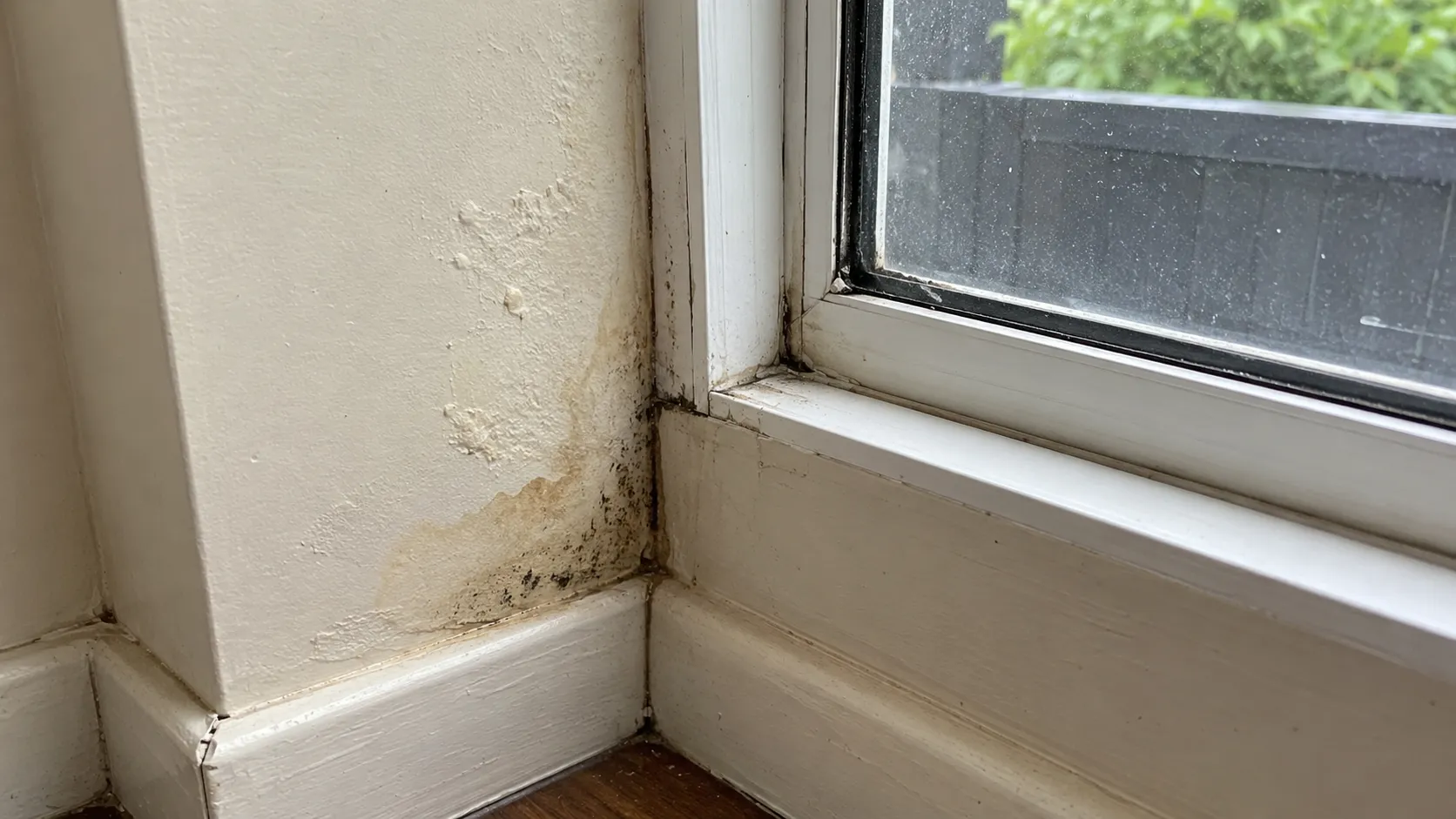
Inspect the area around each window for:
These signs may be caused by failed flashing, poor perimeter sealing, blocked drainage paths or defects in the surrounding wall.
Damaged materials should be repaired and the source of moisture corrected before the new window is installed. Simply covering the affected area or sealing over an unidentified leak can allow deterioration to continue.
Installation quality is just as important as the window product. The new frame should be aligned, packed, fixed and sealed correctly for the wall system and site conditions.
Important installation considerations include:
A high-performing window may still leak, rattle or become difficult to operate if it is installed poorly.
The selected glass affects safety, insulation, noise control, security, glare and comfort. Replacement glazing should satisfy applicable National Construction Code requirements and Australian Standards.
Safety glazing may be required in areas where there is a higher risk of human impact, including some:
The required glass type, thickness and installation method depend on the location, panel size, frame and intended use. A qualified glazier can determine where toughened, laminated or other compliant safety glass is required.
The most suitable glazing depends on the home’s orientation, surroundings, comfort concerns and the demands of Tasmania’s climate.
Options may include:
Standard clear glass may be suitable for some openings, while rooms affected by strong afternoon sun, cold conditions or external noise may benefit from more specialised glazing.
For homes near busy roads, commercial areas or other noise sources, laminated or purpose-designed acoustic glass may reduce sound transmission.
Acoustic performance depends on more than glass thickness. The frame design, seals, air gaps and installation quality also influence how much outside noise enters the room.
Any acoustic glazing should be paired with a frame system designed to support its weight and provide an effective seal.
Laminated glass can provide greater resistance to forced entry than ordinary annealed glass because the interlayer helps hold broken glass together.
Security performance can also be improved through:
Glass, frame and hardware should be considered as one system rather than separate features.
Full replacement is not always necessary. Targeted repairs can restore function and extend the life of aluminium windows where the frames remain structurally sound.
Repair may be appropriate for:
Repair is generally more practical when the frame remains square, securely fixed and free from severe corrosion.
Replacement may be more suitable when:
A professional assessment can help compare the likely lifespan, disruption and long-term value of each option.
Approval requirements depend on the scope of the work. A straightforward like-for-like replacement may be treated differently from work that changes the size of the opening, affects structural components or involves a regulated property.
Additional requirements may apply where the property is:
Homeowners should confirm applicable requirements with the relevant council, building surveyor or other qualified professional before work begins.
Providing clear information helps a glazier understand the project and recommend suitable window and glass options.
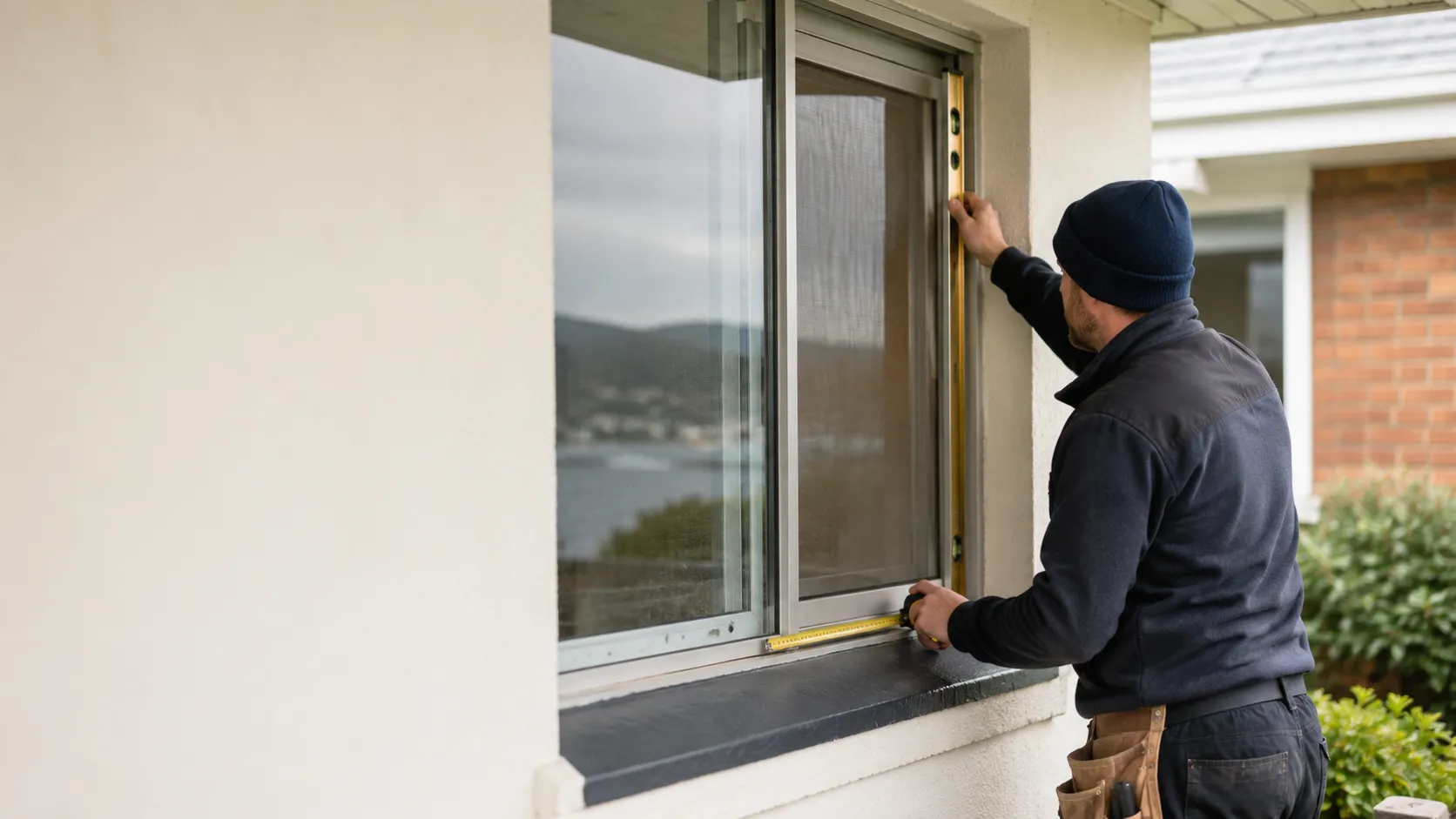
Prepare a simple list of the windows being considered. For each one, note:
Measurements should be treated as approximate. Final sizes should be checked by the installer before manufacturing.
Photographs taken from inside and outside can also help identify access issues, frame conditions and unusual configurations.
Tell the glazier about any specific issues, such as:
This information helps guide recommendations on glass, frame design, seals and window configuration.
Identify any preferences for:
Properties near the coast or in exposed areas should also be identified. Salt, wind and harsh weather conditions can affect the recommended finish, hardware and maintenance requirements.
Replacing aluminium windows can improve comfort, security, ventilation and energy performance, but full replacement is not always necessary. Assessing the frames, glass, seals, hardware and surrounding openings first helps determine whether repairs or new windows will provide the better long-term result.
Homeowners should compare complete window systems, consider the installation details and choose glazing suited to the property’s safety, thermal, acoustic and security requirements. Ausflet Glass & Aluminium can inspect existing windows, explain suitable frame and glazing options and provide made-to-measure solutions for properties throughout Hobart and Southern Tasmania.
Get in touch with our team of glass experts now at Ausflet Glass & Aluminium. Discover the difference that working with the professionals can make!
Call Us Now!