

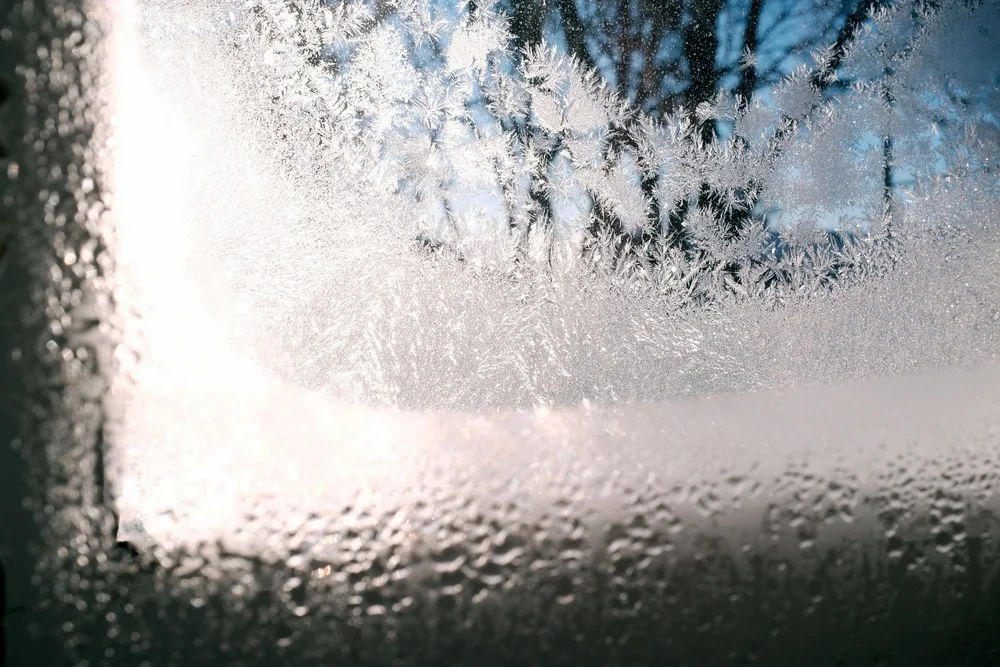
Tasmania’s cool, damp climate and low winter sun mean standard glazing often underperforms, leading to heat loss, condensation and higher energy costs. Choosing climate-appropriate glass is essential to maintaining comfort, efficiency and durability in buildings. Here at Ausflet Glass & Aluminium, we see how the wrong glass choice can leave spaces cold, draughty, prone to condensation and costly to heat, while the right system can dramatically improve comfort, acoustic control and long-term energy efficiency.
This article is for homeowners, builders, architects and commercial property owners working with glaziers in Hobart or elsewhere who want glazing solutions that actually perform in local conditions. We’ll explain how Tasmania’s climate affects heat loss, solar gain and condensation; how to choose between double glazing, low-E, laminated and tinted glass; and why frame systems and installation quality are just as critical as the glass itself, so your investment continues to perform for years to come.
Tasmania’s climate places unique demands on residential glazing systems, with cool temperatures, high humidity, strong coastal exposure and frequent weather shifts all affecting how glass performs. Long heating seasons increase heat loss through poorly specified glazing, while low winter sun angles create challenges around balancing solar gain without excessive glare. These conditions mean that glass selection plays a role in day-to-day comfort, energy efficiency and internal moisture control. Homes fitted with unsuitable glazing often struggle to maintain stable indoor temperatures.
Damp air, cold surfaces and limited natural drying conditions also make condensation a persistent issue in many homes. When glass and framing systems are not designed for these conditions, moisture buildup can lead to mould growth, material deterioration and reduced indoor air quality. We consistently see better outcomes where glazing is selected and installed as part of a whole-of-home approach that considers insulation, ventilation and orientation. Understanding how weather interacts with glass is essential to achieving durable, high-performing window and door systems.
Tasmania regularly experiences rapid temperature changes within a single day, with cold mornings, brief solar warming and sharp evening cool-downs placing repeated stress on glazing systems. Glass naturally expands when heated and contracts as temperatures fall, and when these changes occur unevenly across a pane, thermal stress develops. This is relevant on northern and western façades that receive intermittent sun exposure. Repeated thermal cycling can weaken glass that is not properly specified for the conditions.
Uneven heating is often intensified by dark frames, partial shading from trees or eaves or internal blinds that trap heat against the glass. Strong and gusty winds add further load by flexing glass and frames. If glass thickness, frame strength or fixing methods are inadequate for the opening size and exposure, movement accelerates wear on seals and joints. The result can be increased draughts, rattling windows or stress-related cracking over the life of the installation.
Everyday activities such as cooking, showering and heating generate moisture, which condenses when warm indoor air comes into contact with cold glass surfaces. Single-glazed windows are susceptible, often showing heavy fogging and water runoff onto sills. Eventually, this moisture can damage timber finishes, degrade sealants and contribute to mould growth.
Well-performing double-glazed systems behave differently, keeping the room-side pane warmer and reducing visible internal condensation. In colder inland or elevated regions, frost may form on the external pane during very cold mornings. While sometimes misunderstood as a defect, this is typically a sign that the glazing is performing efficiently by retaining internal heat. Effective moisture management relies on a combination of higher-performance glass, quality frames, well-maintained seals and adequate ventilation throughout the home.
Wind exposure has a role in how glazing systems perform, particularly in coastal and high-altitude areas. Repeated wind pressure causes subtle but constant movement in glass and frames, which can place stress on fixings, seals and hardware. Where frames are under-engineered or glass is too thin for the opening, this movement compounds wear and reduces overall service life. Poorly matched systems may begin to rattle, leak air or lose weather tightness years earlier than expected.
Modern glazing solutions address these challenges through stronger frame profiles, appropriate glass thickness and improved fixing methods. Laminated glass and well-designed double-glazed units offer better resistance to deflection under load, while robust frame systems maintain alignment and seal integrity. When wind exposure is properly accounted for at the design and specification stage, glazing systems remain quieter, tighter and more durable. This improves comfort and reduces long-term maintenance issues in exposed locations.
Selecting glazing helps address multiple climate-driven issues at once. High-performance glass and frames work together to stabilise internal temperatures, reduce moisture-related damage and withstand environmental stresses. When systems are chosen based on orientation, exposure and local climate rather than appearance alone, performance improves across all seasons. This leads to more consistent indoor comfort and lower reliance on heating.
Performance benefits of climate-appropriate glazing include:
A considered glazing strategy ensures homes remain comfortable, efficient and resilient in a demanding environment, delivering benefits that extend well beyond the initial installation.
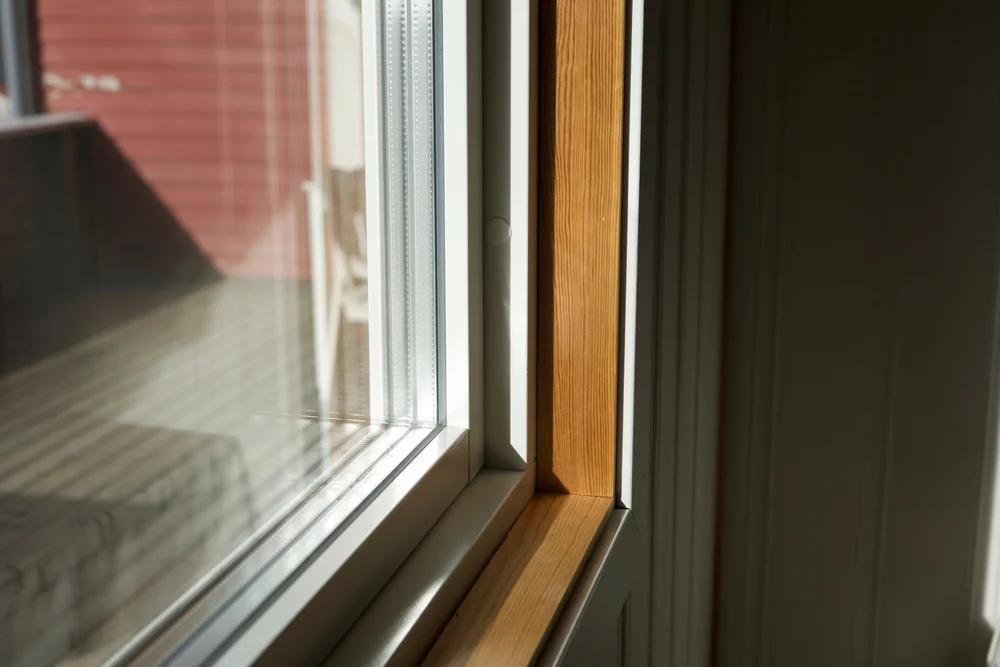
Choosing the right glass is not just about appearance or meeting minimum building requirements; it directly affects how a home performs year after year in a demanding climate. Long heating seasons, persistent moisture and variable sun exposure mean that poorly specified glazing can quickly become a source of heat loss, condensation and ongoing maintenance issues. When glass selection is approached with long-term performance in mind, homes are better equipped to maintain stable internal temperatures and consistent comfort. This results in lower energy use and reduced strain on heating systems.
We see the best outcomes when glazing decisions are made as part of an integrated approach that considers orientation, frame design, insulation and ventilation together. High-performance glass paired with appropriate frame systems can improve thermal efficiency, moisture control and acoustic comfort. Taking the time to match glazing specifications to site conditions helps prevent premature failures and avoid costly retrofits later. A well-considered glass choice continues to deliver benefits long after installation, supporting comfort and durability over the life of the building.
Different areas of a home or commercial building place very different glass demands, particularly when thermal comfort, noise control and safety are considered together. Selecting the right glass type means assessing how each space is used, its orientation and its exposure to weather and activity. A tailored approach delivers better performance and fewer compromises over the long term.
For living areas, bedrooms and home offices, double glazing is often the foundation of a high-performing solution. The insulated gap between panes reduces heat loss during cold mornings while moderating solar heat gain during low-angle sun. In higher-noise environments, laminated glass or acoustic double-glazed units provide added sound control and improved security. In bathrooms, stairwells, entryways and low-level glazing, safety glass is essential to meet standards and protect occupants if breakage occurs.
Glass performance is closely tied to how well units resist corrosion, seal degradation and moisture ingress. Poor-quality components often lead to fogging between panes, deteriorating frames and ongoing maintenance issues. Investing in better materials and specifications upfront reduces the likelihood of early failure.
In exposed locations, sealed double-glazed units with durable spacers, high-quality sealants and corrosion-resistant hardware perform far better over decades. On sun-exposed elevations, performance coatings and laminated interlayers help manage UV exposure while reducing stress on internal finishes and seals. Correct installation plays a role, with proper drainage, edge cover and packer placement all contributing to longevity. When glass and frames are designed to age well together, windows stay cleaner, tighter and more reliable with less intervention.
Condensation remains one of the most common concerns in homes, particularly during winter. Warm, moisture-laden indoor air condenses on cold glass surfaces, leading to water buildup on sills and frames. If left unmanaged, this moisture can damage finishes, promote mould growth and affect indoor air quality. Glazing choices directly influence how severe and persistent these issues become.
Well-designed double glazing keeps the internal glass surface warmer, reducing visible condensation. When combined with quality frames and effective seals, moisture is less likely to pool or migrate into surrounding materials. Ventilation strategies remain important, but improved glazing reduces the overall moisture burden at the window itself. The result is a healthier internal environment and reduced maintenance around window openings.
Achieving long-term performance does not require the same glass specification everywhere. Strategic use of different glass types allows performance and safety to be prioritised where they matter most. High-traffic areas, exposed façades and key living spaces benefit from higher-spec glazing, while less critical zones can often use simpler solutions without sacrificing overall outcomes. This helps manage project costs while still delivering strong results.
By aligning glass selection with function, exposure and risk, it becomes possible to optimise comfort, durability and compliance across the entire building. Thoughtful specification reduces unnecessary upgrades while ensuring no area is underprotected. This approach leads to lower energy use, fewer repairs and glazing systems that continue to perform as intended. Making informed glass choices early supports better outcomes for building owners and occupants well into the future.
Tasmania’s climate demands more from glass than many people expect, with long cool seasons, coastal exposure, frost and strong sun quickly exposing the limits of “standard” glazing. Making smarter choices can improve comfort, reduce energy costs, control condensation and noise and protect interiors year-round. Glass should be treated as a critical building material, selected with climate, orientation, framing and long-term performance in mind. For tailored glazing solutions that genuinely suit Tasmanian conditions, we here at Ausflet Glass & Aluminium are ready to help you invest in glass that delivers lasting value.
Get in touch with our team of glass experts now at Ausflet Glass & Aluminium. Discover the difference that working with the professionals can make!
Call Us Now!