

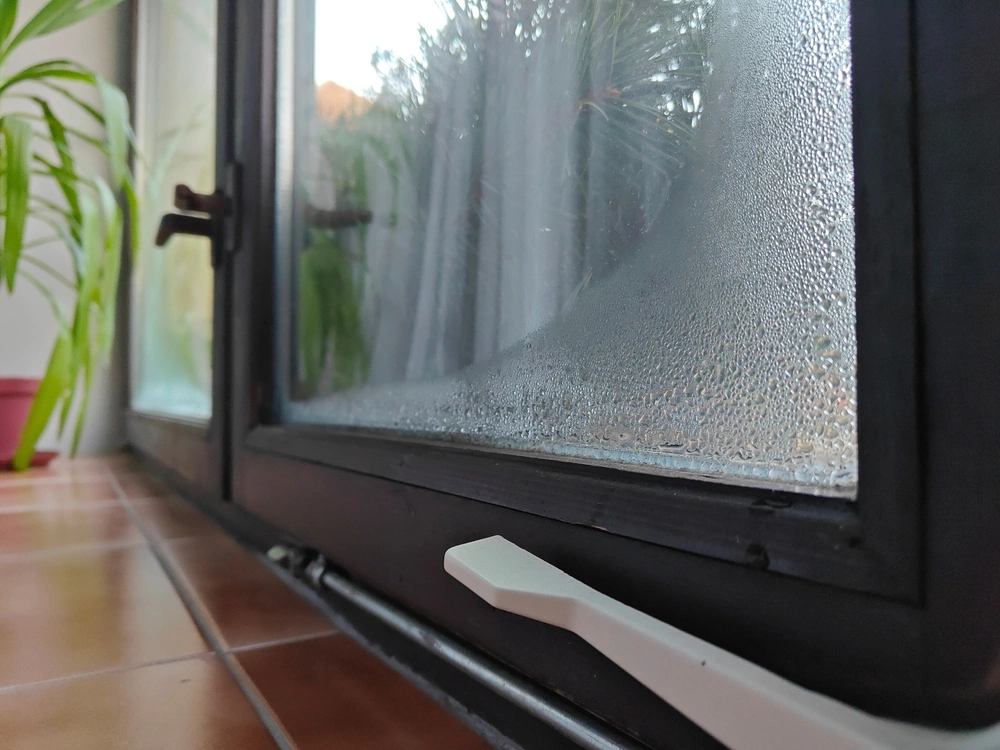
Foggy double glazing, water droplets trapped between panes and that persistent cloudy film on the glass are rarely just cosmetic issues. They are often the first warning signs that a window glass seal has failed and that the insulated glass unit is no longer performing as it should. When this happens, homes can become less comfortable, energy bills can rise and decorative finishes or surrounding frames may start to suffer from ongoing moisture exposure. Understanding what a failed seal looks like, why it happens and how quickly it should be addressed helps homeowners make informed decisions and seek professional glass repair in Hobart before a minor issue turns into a costly problem.
In this article, Ausflet Glass & Aluminium explores the most reliable ways to recognise a failed window glass seal, the difference between normal surface condensation and internal moisture between panes and the impact that seal failure has on insulation performance and household comfort. Readers will also gain insight into common causes of seal breakdown, how local conditions can accelerate wear and what options are available for repair or replacement. By the end it becomes easier to decide when simple monitoring is enough and when it is time to call in a professional glazing specialist to restore clarity, efficiency and long-term value to the home.
When a window glass seal fails, it stops properly insulating the home and allows moisture and outside air to move between the panes. This can lead to foggy glass, higher energy bills and a less comfortable indoor environment. Knowing the warning signs early helps homeowners contact a professional glazing specialist before a minor issue turns into a full replacement.
Most modern double-glazed and some single-glazed units rely on an airtight perimeter seal. Once that seal breaks, the window can no longer keep the insulated air or gas in place. The following signs are the most common indicators that the seal has started to fail.
Moisture trapped inside the glass unit is the clearest sign of seal failure. If condensation or fogging appears between the panes where it cannot be wiped off the inner or outer surface, the seal is almost certainly compromised.
Homeowners will often notice:
Normal surface condensation on the inside of the glass can be caused by indoor humidity. However, if the moisture is inside the sealed unit, it means outside air is entering through a failed seal and bringing water vapour with it.
Over time repeated moisture inside the unit can leave behind mineral deposits. This causes the glass to look permanently dirty or streaky even after cleaning both sides.
Cloudiness from a failed seal often looks like:
This internal staining reduces clarity and can affect the appearance of the home from the street. Once mineral deposits form inside the unit, cleaning from the outside is not effective and the glass or sealed unit usually needs to be replaced.
Although failed seals are most visible on double glazing, single-glazed windows also rely on perimeter seals and putty to block draughts. When these seals deteriorate, the window frame can feel noticeably cooler and rooms can become harder to heat or cool.
Common signs include:
In some cases homeowners may see increased energy bills because the air conditioner or heater must work harder to compensate for the lost insulation. Window glazing professionals can assess whether the issue relates to the glass seal, the frame or surrounding building movement and advise on the most suitable repair or replacement option.
Window glass seals are designed to keep the insulating air or gas locked between the panes so the glass performs as energy-efficient double glazing. Over time though, even good-quality units can start to fail. Understanding why this happens helps homeowners recognise problems early and decide whether repair or replacement is the best option.
Glazing professionals see the same common causes of failed seals across homes and commercial properties. Most relate to age, exposure to the elements and movement in the surrounding frame rather than anything the owner has done wrong.
Every double-glazed unit has a finite lifespan. The perimeter seal is made from flexible compounds that slowly harden and lose elasticity over the years. As the seal becomes brittle, tiny gaps can open where the glass, spacer bar and sealant meet.
In older units the technology and materials were often less advanced, which means seals may reach the end of their life sooner. After 10 to 20 years, it is common for the original insulating performance to start dropping. At this point fogging between the panes or visible moisture along the edges is more likely because the unit can no longer stay airtight.
Outdoor conditions place constant stress on window seals. In many Australian locations glass is exposed to high UV, strong sun, wind and sudden temperature swings. The glass heats up in the day and then cools quickly at night, so it expands and contracts at a different rate to the sealant and frame.
This repeated movement slowly fatigues the bond between the glass and the seal. In west- or north-facing windows that receive intense afternoon sun, the problem is often worse. UV radiation can also break down some sealant compounds over time, which leads to cracking or chalky surfaces around the edge of the unit. Salt air near coastal areas accelerates deterioration even further, as it can corrode spacer bars and attack seal materials.
Windows are rigid, but buildings move slightly with wind loads, minor subsidence and normal settling. If the frame was not properly installed or supported, this movement can be transferred into the glass unit. Excess pressure on one corner or edge can distort the seal and create small leaks that gradually grow.
Poor installation practices can also shorten the life of a window seal. If the original unit was not correctly bedded in the frame or compatible sealants and packers were not used, micro gaps may have existed from day one. Over time moisture works into these weak spots, and the insulating gas escapes.
In some cases harsh cleaning chemicals or high-pressure washing directly onto the edges of the glass can damage external sealant and gaskets. While this rarely causes instant failure, it can speed up natural ageing and lead to earlier fogging or condensation between the panes.
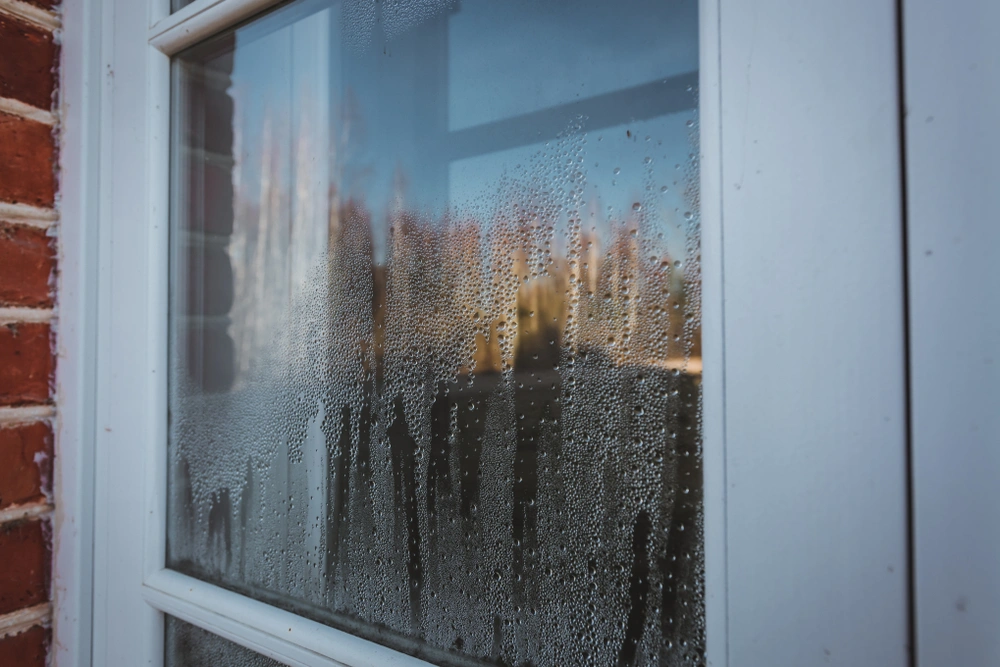
Once a window seal has failed, the glass will not reseal itself. The key decision is whether the window can be monitored for a while or if it needs prompt repair or replacement to protect comfort and energy efficiency. Acting sooner rather than later is generally recommended because moisture inside double glazing tends to get worse over time.
The right solution depends on how severe the fogging is, how old the window is and whether the frame is still in good condition. In many cases the glass unit can be replaced without changing the entire window, which is usually more cost-effective.
If the glass is only lightly fogged from time to time and there are no signs of water pooling, the issue is often more cosmetic. The window will be a bit less-efficient but it may not need immediate action while other urgent repairs are prioritised.
If there is constant condensation between the panes, water staining at the bottom of the frame, mould growth or a noticeable cold draught near the window, it is usually a sign the unit has lost most of its insulating value. In this situation arranging repair or replacement should be treated as a higher priority.
Homeowners should also consider safety. Toughened or laminated safety glass around doors, bathrooms or balconies with failed seals should be checked promptly to ensure there is no hidden glass damage along with the seal failure.
Defogging services that drill small holes to let moisture escape are sometimes advertised as a low-cost fix. These methods may improve appearance for a while, but they do not restore the original insulation because the sealed unit is no longer fully airtight or argon filled.
For most double-glazed units the practical long-term solution is to replace the insulated glass unit inside the existing frame. Window glazing professionals can usually measure the opening, remove the failed unit, then install a new sealed unit that matches the original glass type tint and thickness. This keeps disruption low and avoids the cost of a full frame replacement when the frame is still in good condition.
If the frame is warped, rotten, corroded or difficult to operate, a full window replacement is often more sensible. In that case the team can advise on modern aluminium or other framing options with improved thermal performance that suit Australian conditions.
A failed seal is not a typical do-it-yourself job. Removing double-glazed units safely requires proper handling equipment, correct glazing blocks, suitable sealants and knowledge of local safety glass standards. Glazing professionals can inspect the window on site, provide a clear quote and then manage removal and installation so the new unit is correctly supported and weatherproofed.
While waiting for repairs, it helps to manage indoor humidity and airflow by using exhaust fans and opening windows where practical. Homeowners should wipe away any surface condensation on frames and sills to prevent mould and check that drainage weep holes in the frame are clear so water can escape instead of sitting against the glass edges.
In the end, knowing whether your window glass seal has failed comes down to paying attention to a few key signs and acting before the damage spreads. Fogging or condensation between the panes, visible watermarks, a milky or hazy appearance, draughts, temperature imbalance near the glass, or rising energy bills are all strong indications that the insulated glass unit is no longer performing as it should. Left unchecked, a failed seal can lead to mould, frame deterioration and costly energy loss.
By understanding what to look for and why it happens, age, harsh weather, poor installation, or movement in the building, you can make informed decisions about repair or replacement instead of guessing. When these symptoms appear, it’s important to have the window assessed properly, because in many cases you don’t need to replace the entire window; you may only need to replace the glass unit or address specific installation and drainage issues. Our focus is always on finding the most practical, long‑term solution for your home or business, restoring clear views, comfort and energy efficiency so your windows do the job they were designed to do for many years to come.
Get in touch with our team of glass experts now at Ausflet Glass & Aluminium. Discover the difference that working with the professionals can make!
Call Us Now!