

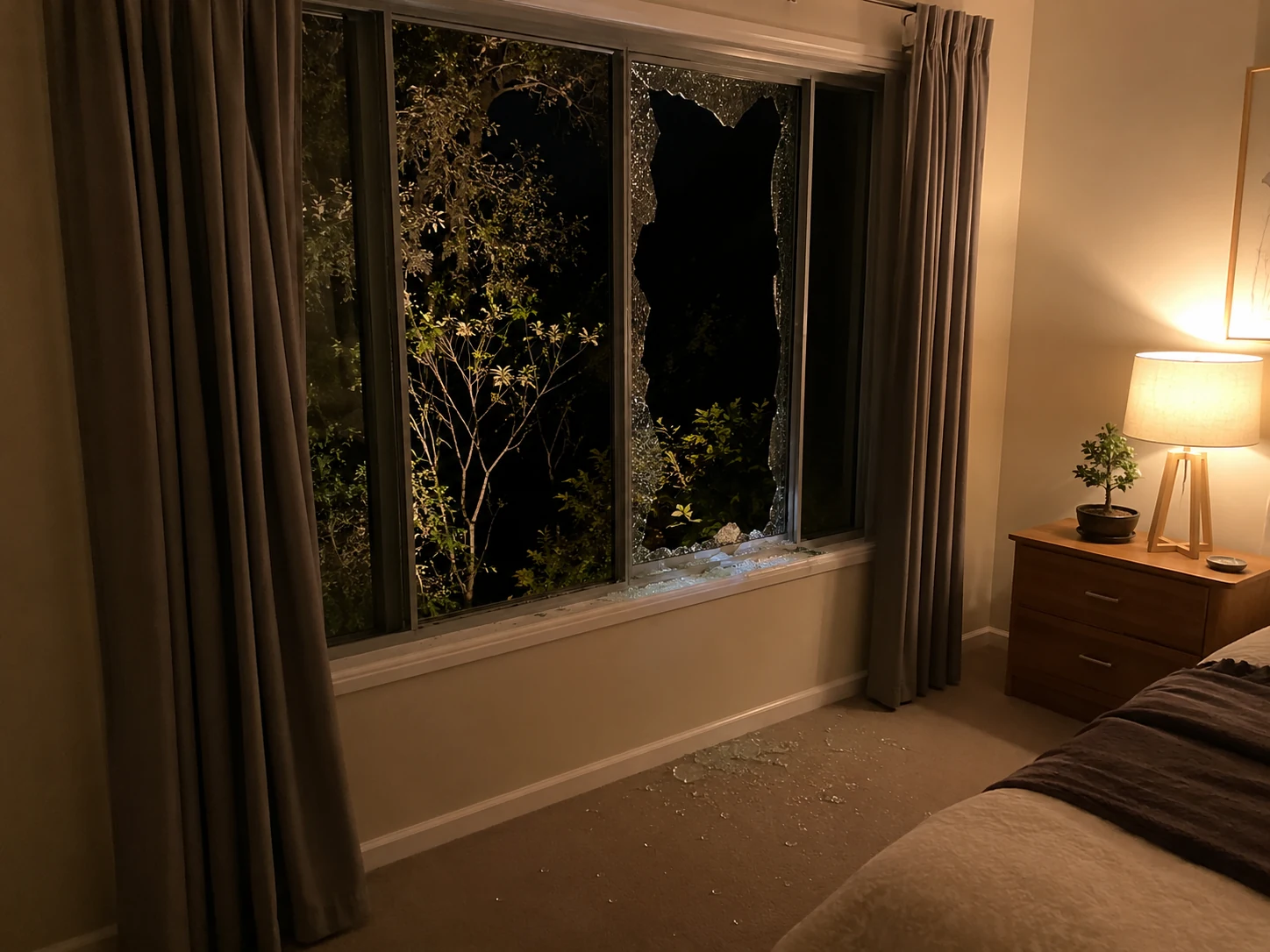
A broken window during the night can create immediate concerns about safety, security and exposure to the weather. Whether the damage is caused by an accident, severe weather or an attempted break-in, knowing what to do first can help prevent injuries, protect the property and reduce further complications. For property owners seeking glass repair in Hobart, acting quickly and carefully is the best way to bring the situation under control.
This guide outlines the steps to take after discovering a broken window at night. It explains how to keep the area safe, when emergency glazing services may be required, what temporary measures can be used and how to document the damage for insurance. With support from Ausflet Glass & Aluminium, damaged glass can be addressed safely and efficiently while helping restore the security and weather protection of the property.
When a window breaks at night, the first priority is safety. Broken and cracked glass is unpredictable and can move or shatter further with very little warning, especially when visibility is poor. Treat the area as hazardous until it has been properly secured and assessed.
Keep children, pets and other household members well away from the affected room or area. If it is safe to do so, turn on enough lighting to see where glass has fallen. Shards can spread further than expected and may be hidden in carpet, under furniture, behind curtains or near skirting boards.
Avoid walking barefoot or in socks anywhere near the damaged window. Anyone who needs to move through the area should wear sturdy closed shoes. Do not lean on the frame, touch the remaining glass or open and close the window, as even light pressure can cause damaged glass to collapse.
Any glass still sitting in the frame should be treated as unstable. Even if the break looks minor, a gust of wind, vibration or small bump can cause the pane to fail. If loose shards appear ready to fall, do not try to grab or catch them. Keep clear of the fall zone and wait for a professional glazier to remove them safely.
At night, it is usually safer to control the hazard than to attempt a full clean-up in poor light. The goal is to prevent injury and reduce exposure until the window can be properly repaired.
If glass is on a walkway or near an entry point, gently move large visible pieces away from traffic areas using a broom and dustpan. Avoid picking up sharp fragments with bare hands. If glass needs to be handled, use thick gloves, closed shoes and eye protection.
Do not try to remove large pieces still attached to the frame. Loose shards in the frame can look secure but may only be held by small pressure points or cracked edges. Pulling or twisting them can cause sudden breakage and send fragments across the room.
A simple temporary boundary can help keep people away from the danger zone. Use chairs, cardboard, tape or another visible marker to block access. Keep a light on near the damaged window so anyone entering the room can clearly see the hazard.
Once the immediate safety risk is controlled, the next step is to reduce weather exposure and improve security. A broken window at night can allow rain, wind, insects and debris into the property. It can also create an easy access point, particularly if the window is on the ground floor or near a balcony.
Simple materials can help create a temporary barrier. Useful items may include:
For small cracks where the pane is still firmly held in the frame, tape may help reduce movement temporarily. Apply it gently and avoid pressing hard on the glass. Do not use tape if the pane is loose, bowed, separating from the frame or likely to fall, as pressure can make the damage worse.
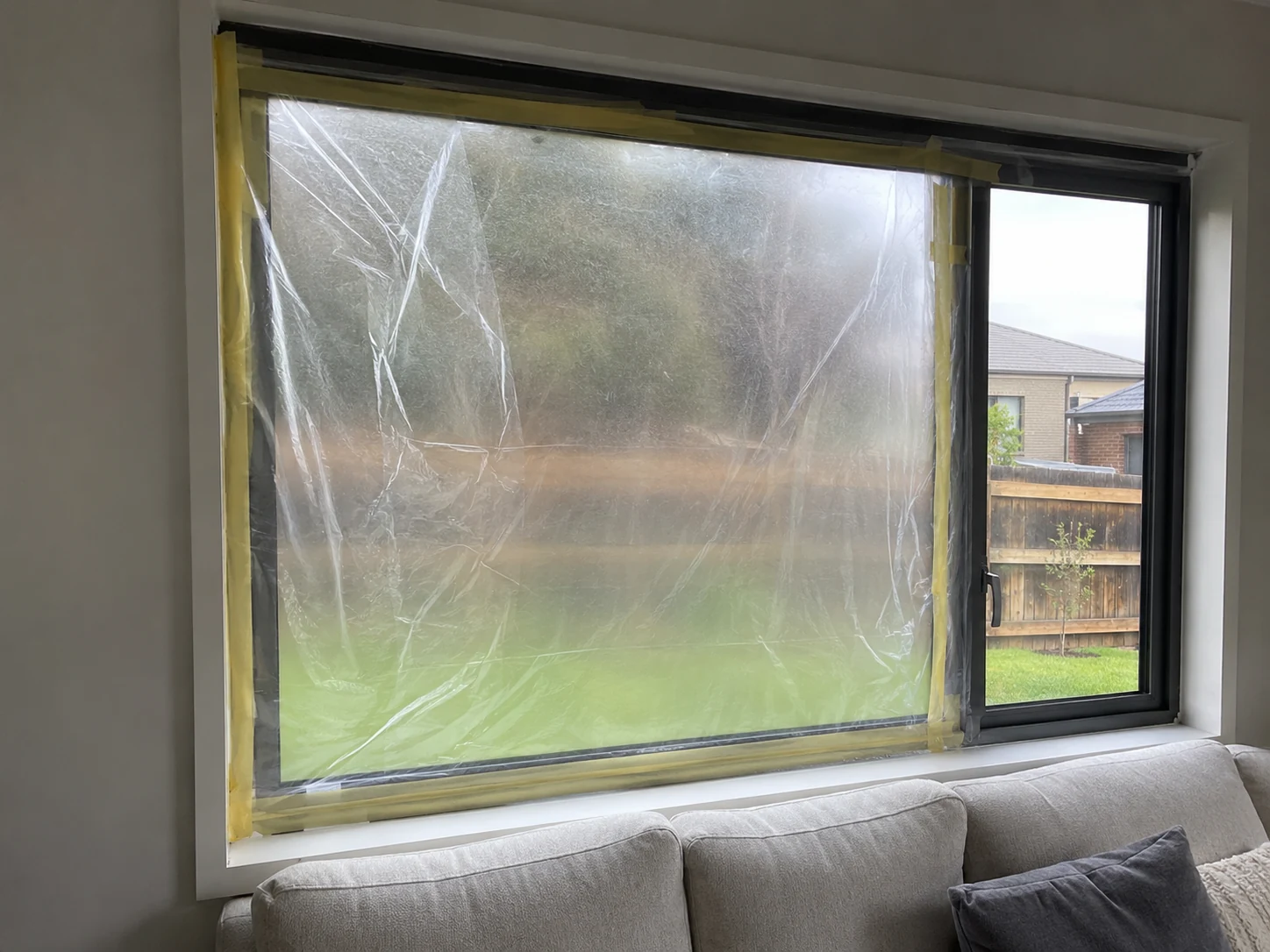
For larger openings, it is usually safer to work from inside the property. Plastic sheeting or heavy-duty garbage bags can be stretched over the frame and taped to the wall or frame edges. Overlap layers where possible to reduce gaps. Avoid pushing against the frame or remaining glass while securing the covering.
Where the damaged window is accessible from outside, a rigid temporary barrier may be needed. Cardboard can provide short-term coverage, but plywood or a professional board-up offers better security. If the window is large, exposed to bad weather or easy to access from the street, emergency glazing assistance should be arranged as soon as possible.
Once everyone is safe and the area has been temporarily secured, contact an emergency glass repair service if the damage affects safety, security or weather protection. Broken windows at night can leave a property exposed to theft, rain, wind and further damage, so fast action is often important.
Emergency glass repair should be arranged promptly if:
If the break may be linked to an attempted break-in, contact police before disturbing the scene. Avoid moving items unnecessarily until the area has been checked. Once police have cleared the site, an emergency glazier can remove dangerous glass, secure the opening and advise on the next repair steps.
Clear information helps the glazier understand the urgency of the job and arrive with suitable equipment. When calling, provide the property address, contact number and any details that may affect access at night, such as locked gates, security codes, pets, alarms or difficult driveway access.
Be ready to describe:
Even an approximate description is useful. The glazier can confirm the exact glass type, measurements and replacement requirements on arrival.
Sometimes a full replacement cannot be completed immediately. This may be due to the size or type of glass required, safety restrictions for night work, site access issues or supply limitations. In these cases, the priority is to make the opening safe, secure and weather-resistant until the correct glass can be installed.
A professional board-up may be recommended for larger openings, ground-floor windows, doors or exposed areas. This usually involves removing loose glass safely, covering sharp edges and fixing plywood or similar material over the opening. A proper board-up should be fitted firmly so it cannot be pushed out easily by wind or forced entry.
Weather protection may also be added using plastic sheeting or heavy-duty barrier film. Gaps around the temporary covering can be taped or sealed where the frame condition allows. Inside the room, nearby curtains, blinds, furniture and electrical items should be moved away from the damaged area where possible.
Temporary measures are not a permanent repair, but they can protect the property overnight, reduce injury risks and help prevent further damage until the reglazing work can be completed.
Clear photos taken soon after the window breaks can make insurance claims easier. Insurers may need visual evidence showing the extent of the damage, how it may have occurred and whether there is any related damage to the frame, lock, floor or nearby property.
Before taking photos, make sure it is safe to move near the area. In low light, it is easy to step on loose shards or brush against sharp edges. Turn on interior and exterior lights if possible, wear closed shoes and avoid climbing through the broken opening.
Start with wide photos that show the full window and its position in the room or on the exterior of the property. These images help show which window is affected, how accessible it is and whether it is at the front, side or rear of the building.
Then take closer photos of:
Take several photos from different angles in case some images are blurred in the dark. If your phone records the date and time automatically, keep that setting enabled. Avoid cleaning up fully before taking photos unless there is an immediate safety risk.
A broken window at night requires a calm, practical response focused on safety, security and preventing further damage. Keep people and pets away from the affected area, avoid handling unstable glass, secure the opening as safely as possible and arrange professional assistance when the damage affects security or weather protection.
Temporary coverings or board-ups can help protect the property in the short term, but a professional assessment is still important to ensure the repair is completed safely and with glass suited to the location and frame. By acting quickly, documenting the damage and arranging reliable glass repair, property owners can reduce risk, support any insurance claim and restore the security and comfort of the property.
Get in touch with our team of glass experts now at Ausflet Glass & Aluminium. Discover the difference that working with the professionals can make!
Call Us Now!