

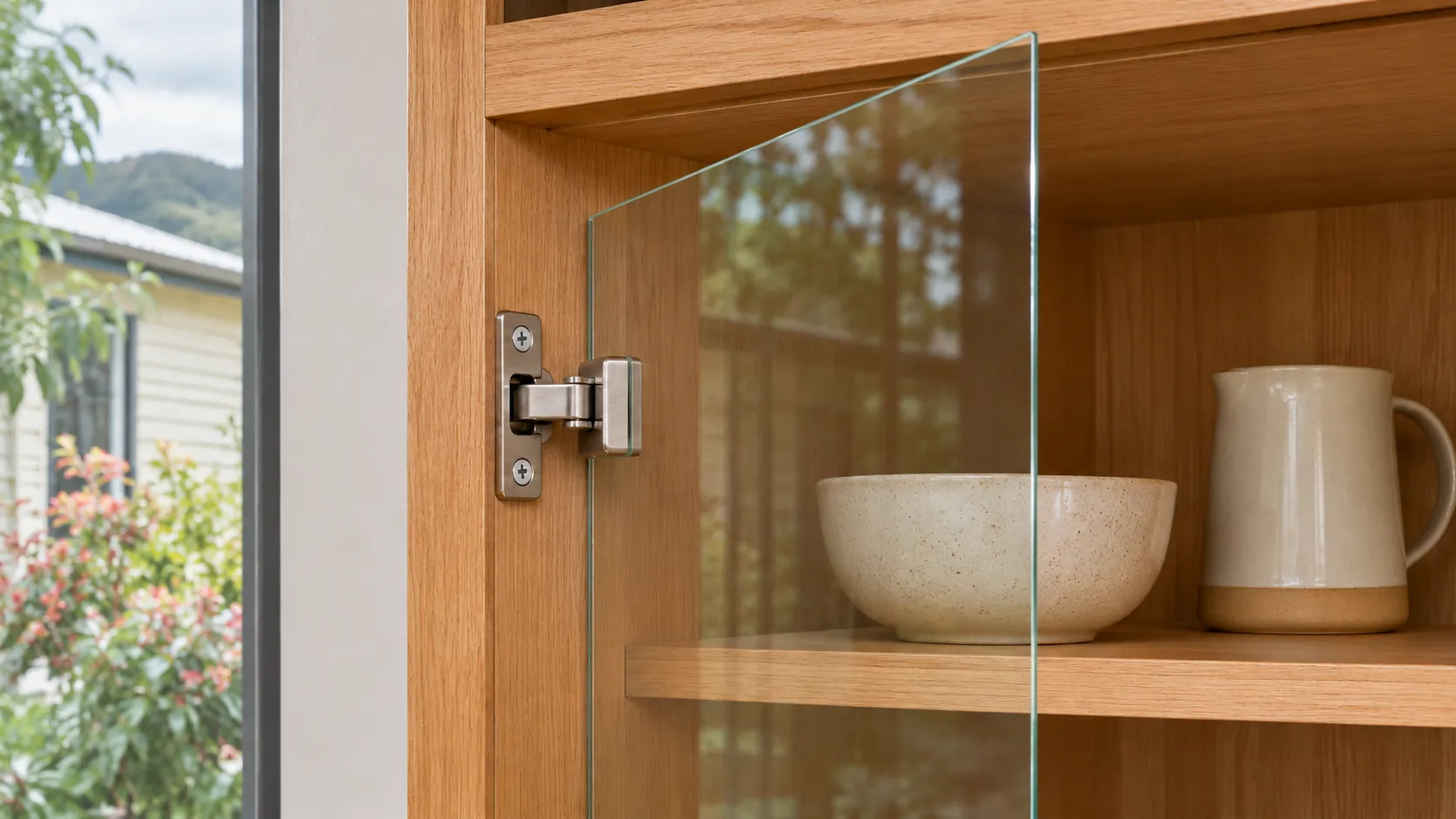
A custom glass panel can be the right size and still look unfinished if its edges have not been considered. On a cabinet door, the perimeter may be visible every time it opens, while the edges of a framed interior panel might be almost completely concealed. These differences affect which finish will look appropriate and how the glass should be prepared. Ausflet Glass & Aluminium helps consider these details when planning custom glass panels.
Before ordering, think about which edges will be visible, which might be touched and how the panel will be supported. Understanding the differences between common glass edge treatments can help you choose a finish that suits the application, appearance and safety requirements. It also ensures important details are confirmed before manufacture begins.
The best starting point is the panel's intended position, not a sample of an attractive edge. An edge hidden within a frame has different presentation requirements from the exposed perimeter of a cabinet door that is handled regularly.
Describe the finished installation to your glazier, including how the panel opens, where it sits and which parts remain accessible. This gives the supplier a clearer basis for recommending a treatment rather than assuming every side needs the same finish.
A framed panel may have its entire perimeter covered by glazing beads, channels or another retaining system. In that situation, a decorative edge treatment may offer little visible benefit. However, a concealed edge still needs to be prepared appropriately for the glass type, fabrication process and installation method.
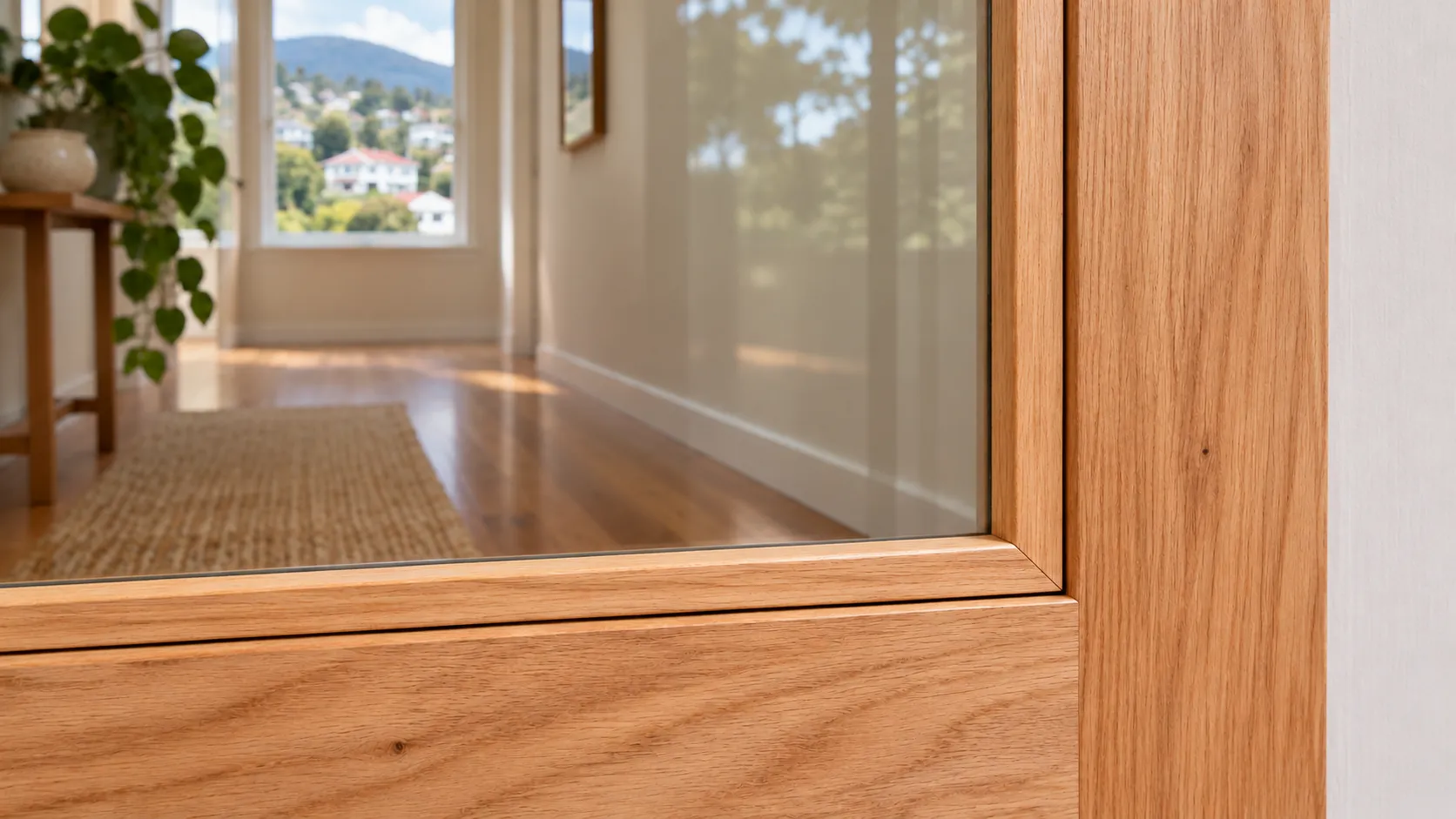
Ask if the proposed frame genuinely covers every edge once the panel is installed. A narrow border might hide the edge from directly in front but leave it visible from an angle. The appearance of the glass through a clear frame detail can also differ from what you expect from a drawing.
Support is another important part of the conversation. Tell the glazier whether the panel will be retained around its perimeter or held at particular points. The edge finish alone does not determine if that arrangement is suitable. Glass thickness, dimensions, support and any hardware must be considered together.
If you are replacing an existing panel, photographs of the whole frame and its fixing details will help the initial discussion. They do not replace professional measurement, but they can reveal questions that a simple width and height would miss.
A cabinet door with an exposed perimeter puts its edge treatment on show. The edge may catch the light, stand out against a dark cabinet interior or sit besides another door with a slightly different finish. Ask to see a representative sample rather than relying only on terms such as "smooth" or "finished".
Touch matters as much as visibility. Explain whether you open the door using a handle, a finger pull or an accessible glass edge. Also identify any exposed corners where someone could brush past the panel. Your glazier can assess if the proposed edge and corner details suit that use.
Do not assume a polished edge makes a panel resistant to knocks or suitable for every position. Chips, cracks and impacts still need attention. If an existing panel is damaged, the advice on handling common glass problems safely provides useful background while you arrange professional assessment. Avoid running your fingers along an unfinished or damaged edge to judge its condition.
Glass edge terminology describes both how an edge is processed and how it looks afterwards. Distinguish between the edge's shape and its surface finish because these are separate aspects of fabrication.
The edge shape describes its profile, like flat, rounded or bevelled. The surface finish describes how the glass has been processed, such as arrissed, ground or polished. Two edges can have similar shapes but different appearances depending on their finishing.
The following terms are useful for a supplier discussion, rather than a promise that every treatment is available for every panel. Ask which options suit your glass type, thickness and intended installation, then confirm the agreed finish in writing.
An arrissed edge has the sharp intersections between the glass faces and the cut edge is eased. It is a practical treatment rather than a decorative one. Much of the original cut-edge appearance may remain, so the result can look unfinished besides a polished sample.
That distinction is easy to miss when an order simply says the edges must not be sharp. An arrissed finish may be appropriate for some concealed applications, subject to the glazier's recommendation, but it should not automatically be treated as the right choice for a visible cabinet door perimeter.
Ask what the finished edge will look like and if it is appropriate for any expected contact. Removing sharpness does not make glass unbreakable or remove the need for professional installation and careful use.
A ground edge is processed to create a more regular surface, typically with a matt or frosted-looking appearance. A polished edge receives further finishing to produce a smoother, clearer-looking surface that can catch and reflect light.
Polished glass edges can suit exposed perimeters where you want a more refined appearance. A ground finish creates a different visual effect and may be worth discussing if a bright edge would draw more attention than you want. Neither should be selected from its name alone. Samples help you judge the difference against your cabinetry and surrounding finishes.
The profile also matters. A flat edge with eased transitions will not look the same as a rounded profile, even if both are described as polished. Ask the supplier to identify the edge shape and its surface finish so competing quotes describe the same result.
Importantly, polishing does not turn ordinary glass into safety glass. Edge appearance and glass safety classification are separate matters. The proper glass type depends on the panel's location, intended use and applicable safety requirements. If the panel forms part of the building, such as a fixed glass partition, Building Standards Tasmania explains which edition of the National Construction Code applies in Tasmania.
A bevel creates an angled band around the edge of a glass face. It is a more deliberate decorative feature than simply polishing the narrow edge, changing how the perimeter reflects light and frames the central area.
On custom glass panels, the band’s width can noticeably affect the overall appearance. Discuss its relationship to the frame, nearby doors and any hardware before choosing it. A sample or clearly marked drawing establishes where the bevel ends and how much uninterrupted flat face remains visible.
Edge treatment belongs in the initial specification, alongside dimensions, glass type and fixing details. Leaving it until after fabrication can restrict your options, especially if the panel needs toughening.
For customers comparing suppliers, a useful quote should make the intended finished result clear. You should be able to identify which edges receive which treatment, what happens at the corners and if the proposed hardware has been allowed for.
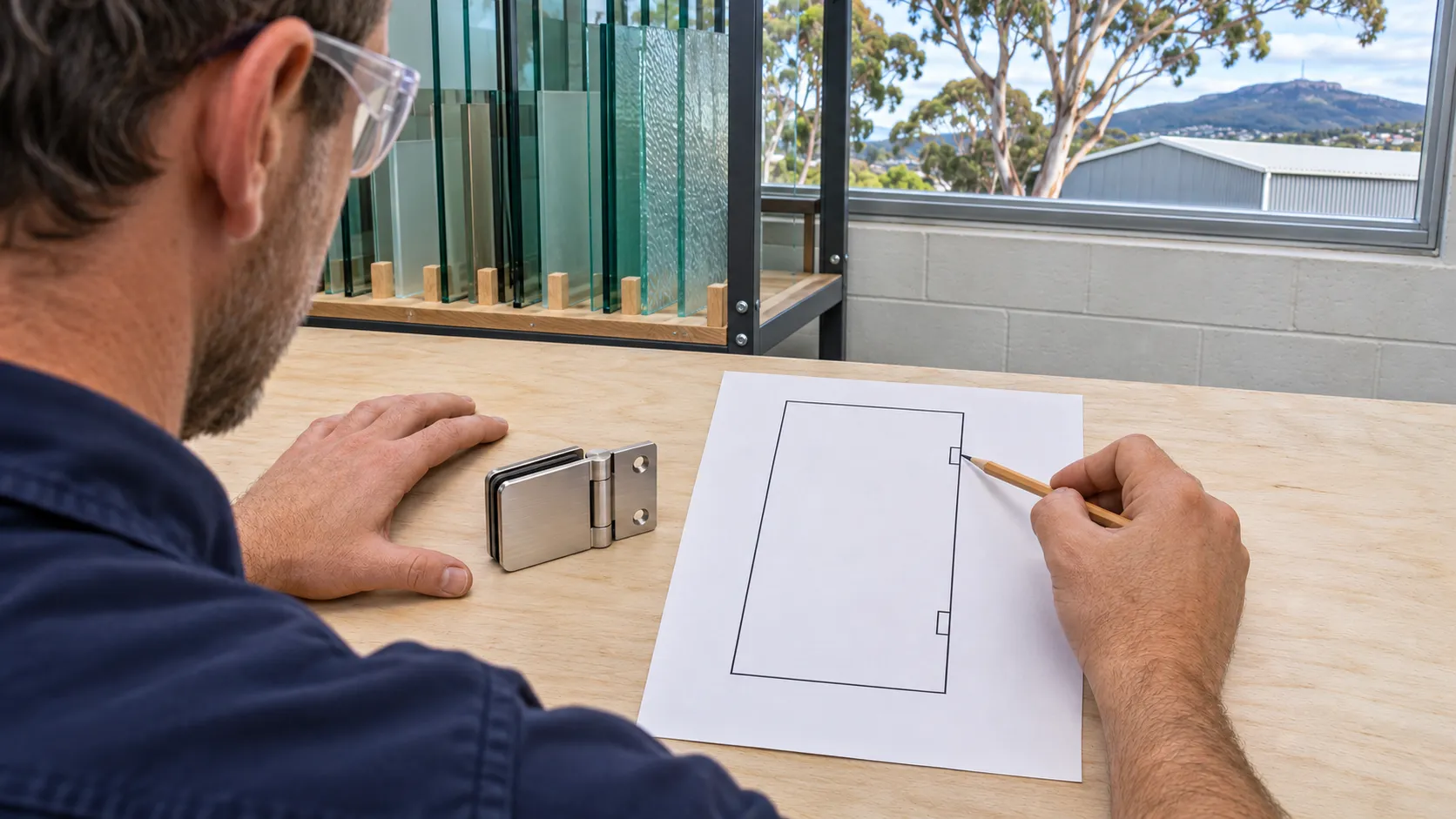
A request for "polished all round" does not answer every fabrication question. The supplier still needs to know the corner shape, any required holes or cut-outs and how the panel relates to its frame or neighbouring surfaces. These details can influence one another.
For a cabinet door, hinge and handle requirements must be coordinated with the glass specification. For an interior panel, the retaining system may determine which edges are covered and where the glass requires machining. Your glazier should check these details against the selected hardware rather than work from an approximate description.
Ask for a drawing or written specification that distinguishes exposed edges from concealed ones. Where a specific corner shape is important, have it shown explicitly. Rounded corners, eased corners and square-looking corners are not interchangeable descriptions and a verbal request can leave room for different interpretations.
When discussing Hobart glass, explain the panel's purpose as well as its appearance. Include photographs or drawings of the intended position and ask for professional advice on measurement, glass selection and installation. This gives the edge-finish discussion the context it needs.
If you’re relying on your glazier’s advice about whether the panel suits its intended use, the ACCC explains when you’re covered by the fit-for-purpose consumer guarantee.
Where toughened glass is required, cutting, drilling and edge machining must be planned and completed before toughening. Once toughened, the panel cannot be trimmed, drilled or reworked like untreated glass. A late change to a hole position or panel dimension can mean making a replacement.
Other glass types also have fabrication limits, so do not assume an edge can always be altered after delivery. Confirm the final specification before authorising manufacture, including whether measurements have been checked and the hardware selection is final.
If the order replaces a damaged cabinet door or interior panel, matching the old outline is only part of the job. The glazier should also assess the existing supports and the suitability of the replacement specification. The article on what to expect from glass repair offers background for that initial assessment.
Before approving the order, check that the quote records the agreed edge treatment rather than a general phrase such as "edges finished". Also clarify who is responsible for final measurements and installation. These are practical details to settle, while changes can still be incorporated into the fabrication plan.
Choosing the right glass edge finish involves more than deciding whether a panel should have a polished or decorative appearance. Visibility, handling, glass type, support and fabrication requirements influence the final specification. Ausflet Glass & Aluminium checks these details and discusses suitable options before manufacture. Getting the specification right from the beginning helps achieve a finished panel that complements the space and is appropriate for its intended use.
Get in touch with our team of glass experts now at Ausflet Glass & Aluminium. Discover the difference that working with the professionals can make!
Call Us Now!