

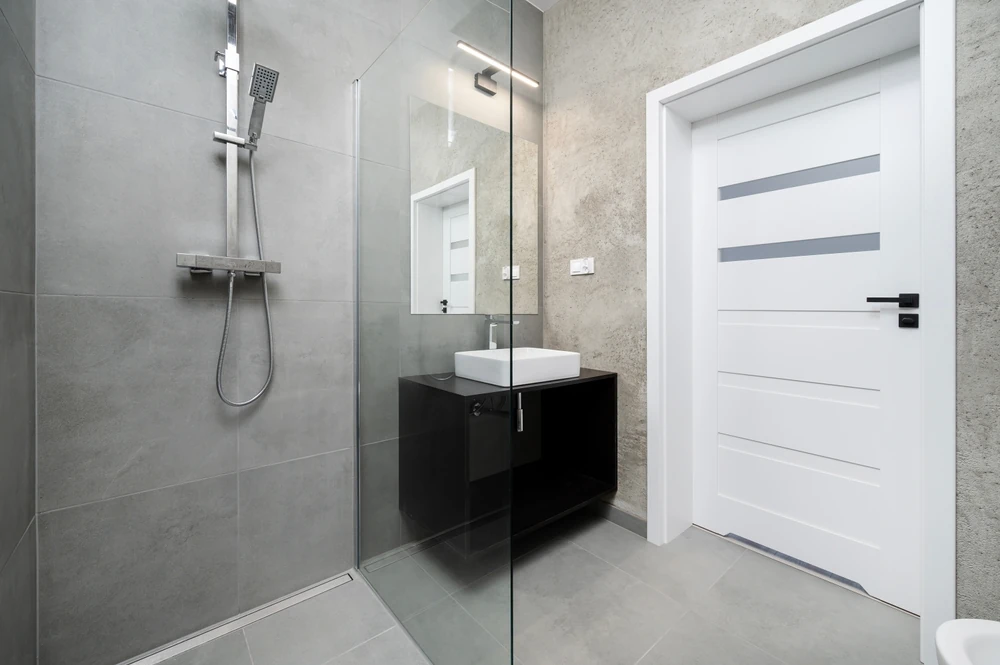
A well-chosen shower screen can make a real difference to how a bathroom looks and feels. At Ausflet Glass & Aluminium, we have seen how the right shower screens in Hobart can help a bathroom feel brighter, more open and less cramped through the careful choice of glass, hardware, layout and overall design.
This article looks at how frameless or semi-frameless screens, clear or low-iron glass, smart door placement and minimal hardware can reduce visual clutter and improve the sense of space. It also explains why accurate measuring, quality installation and designs tailored to the room matter in both compact and larger bathrooms. With a better understanding of these principles, homeowners can make more informed choices that improve comfort, appearance and long-term value.
The shower screen is often one of the largest vertical elements in a bathroom after the walls, so its style, frame and glass choice can significantly affect how large and bright the room feels. The right screen can make a compact bathroom appear wider, open up darker areas and give an older space a cleaner, more modern look without requiring a full renovation.
Professional glaziers focus on shower screen designs that let light move more freely through the room while keeping the overall look simple. With the right combination of glass, framing and layout, a bathroom can feel more open and cohesive rather than closed in.
A poorly chosen shower screen can break the bathroom into sections and visually shorten the floor area. Frosted or heavily patterned glass can reduce sightlines, while bulky frames draw attention to the shower enclosure and make it feel more enclosed.
Clear toughened glass with minimal framing has the opposite effect. Because the eye can see through the shower area, it feels more like part of the overall room rather than a separate compartment. In a narrow bathroom, this can make the space feel wider because tiles and fixtures appear to continue more smoothly from wall to wall.
Frameless or semi-frameless designs use simple lines and discreet hardware so the glass does not dominate the room. This works particularly well with large-format wall tiles or continuous floor tiles, where the surface pattern can run through the shower area and visually stretch the space.
Light plays a major role in how spacious a bathroom feels. Elements that interrupt its movement can make the room feel smaller and more enclosed. Solid curtains, dark trims and heavily textured glass can all reduce brightness and create stronger shadows.
The right shower screen allows light to travel more freely through the space. Clear glass helps daylight from a window or skylight reach more of the bathroom instead of feeling contained within the shower area. In bathrooms where the main window sits near the shower, a clear full-height screen can help that light extend further across the room.
Clear glass also helps artificial light work more evenly at night. Ceiling lights and wall fixtures can illuminate both inside and outside the shower, reducing harsh contrast and making darker corners feel less heavy. Pairing low-iron glass with light hardware finishes such as bright silver or brushed aluminium can further help the room feel crisp and bright.
Because the shower is such a strong visual feature, replacing the screen can significantly change the overall character of a bathroom even if the tiles and layout stay the same. Swapping an older framed sliding screen for a frameless pivot door, for example, can make the room feel more open and contemporary.
Professional glaziers often recommend:
These details help the room feel more coordinated rather than pieced together. A well-chosen shower screen can complement existing finishes and quietly improve the sense of space and light.
When the goal is to make a bathroom feel bigger and brighter, framing makes a noticeable difference. Both frameless and semi-frameless shower screens keep sightlines more open than older fully framed designs, but the amount of visible metal still changes how spacious the room feels.
Experienced glaziers help homeowners compare these options based on how they perform in a real bathroom, not just how they look in a showroom. The best choice depends on room size, layout, budget and the overall look the homeowner wants to achieve.
A frameless shower screen uses thick toughened glass with minimal hardware. Without a full metal frame around the perimeter, the eye can move across the bathroom with fewer interruptions. In a compact space, this can make the shower feel less separate and the room feel more open overall.
Because there is less metal, frameless screens are especially effective in bathrooms that already feel tight or where the shower sits close to a window. More exposed glass allows light to pass more easily through the room, softening shadows and helping finishes feel more continuous.
Frameless screens can also reduce visual clutter in bathrooms with feature tiles or coloured cabinetry. Their clean edges keep the attention on the bathroom finishes rather than the screen itself. They are often a strong choice for homeowners who want the most minimal and open-looking result.
Semi-frameless screens use a slim frame around the outer edges of the enclosure, with little or no frame around the door glass. They still feel noticeably lighter than older fully framed screens while offering a little more structure. They can also be more forgiving in homes where walls are slightly out of square, which is common in older Australian bathrooms.
In a mid-sized bathroom, a semi-frameless screen can still feel bright and open while sitting at a lower price point than a fully frameless option. The finer frame lines can also help define the shower area slightly, which some homeowners prefer.
Lighter finishes such as polished chrome or brushed nickel help maintain an airy appearance. Black framing can also work well, but in very small bathrooms it usually feels more visually prominent.
The type of glass used in a shower screen has a direct effect on how bright and open a bathroom feels. The right choice can improve light flow, reduce visual clutter and still provide the privacy needed for the household. In smaller or darker bathrooms, this can be just as important as the screen layout itself.
Experienced glaziers help clients choose glass based on natural light levels, tile colours, room size and everyday use. Clear, frosted and textured options each create a different effect.
Clear toughened glass is one of the most effective choices for making a bathroom feel larger and brighter. Because there is no frosting or pattern, light passes through more freely and the eye can take in more of the room at once. This makes even a compact shower recess feel more connected to the rest of the space.
For an even cleaner appearance, glaziers may suggest low-iron clear glass. Standard clear glass often has a slight green tint, particularly at the edges, while low-iron glass offers a clearer look that can make white tiles and lighter finishes appear crisper.
Clear glass works especially well with:
Because it provides minimal privacy, clear glass is often best suited to ensuites or households where privacy is less of a concern.
Where privacy matters more, frosted or satin-finish glass can still allow a good level of light through the room. These finishes soften visibility while helping the bathroom remain bright.
Satin or acid-etched glass has a smooth surface that blurs shapes while still allowing strong light transmission. It suits modern bathrooms where a softer lighting effect is preferred. Frosted film can offer a similar result and can also be applied in selected areas so part of the screen remains clear.
Patterned or textured glass, including fluted or narrow reed glass, can add visual interest while partially obscuring the view. Vertical patterns can also draw the eye upward, which may help a small bathroom feel taller. Used carefully, these finishes can add character without making the space feel too closed in.
Protective glass coatings and subtle tints can also affect how bright a bathroom feels. Glaziers often recommend a clear protective coating that helps reduce water spotting and soap residue. Glass that stays cleaner tends to keep its clearer, brighter appearance for longer.
Stronger coloured tints usually absorb more light and can make a compact bathroom feel more enclosed, so they are often avoided in smaller spaces. If a tint is preferred, a very light grey or bronze may soften glare without noticeably darkening the room. In many cases, though, untinted low-iron glass with a protective coating offers the clearest result.
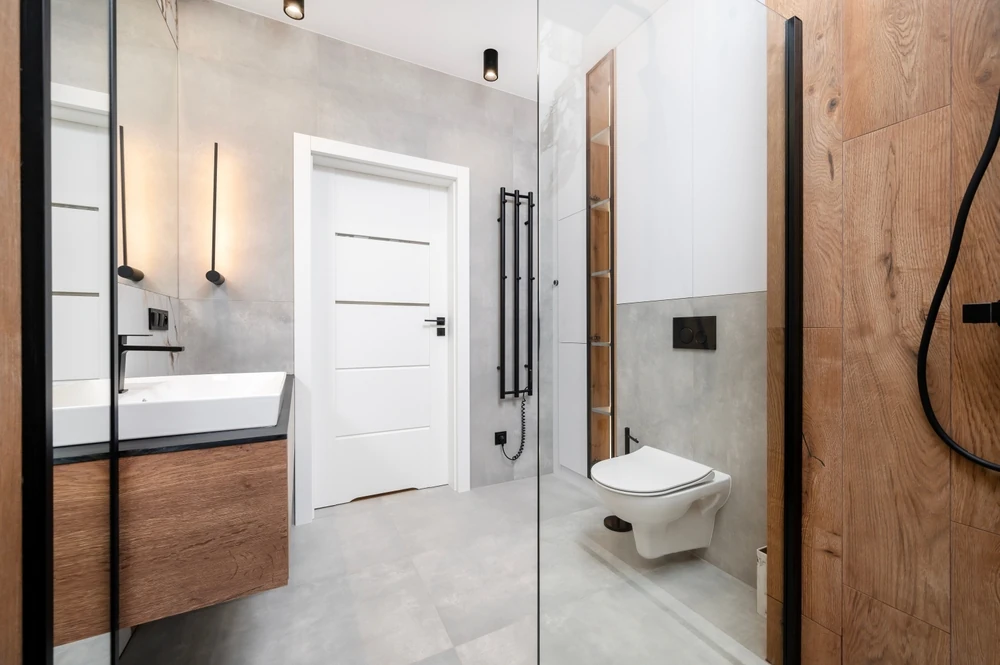
In compact bathrooms, the right shower screen can make the room feel wider, lighter and less cramped. The most effective styles are usually those that reduce visual clutter, allow light to move easily and use the available floor area efficiently.
In smaller spaces, simpler designs almost always work best. Clean glass, slim hardware and practical door configurations create a more open look than bulky frames or busy finishes.
Frameless shower screens are one of the best ways to make a small bathroom feel bigger. Made from toughened safety glass with minimal brackets and hinges, they remove the heavy outlines that break up the room visually. Without prominent framing, the eye can follow the full width of the bathroom more easily.
Clear frameless glass also helps natural and artificial light spread more evenly through the room. This is particularly useful in bathrooms with limited natural light. In many cases, a single fixed frameless panel with a walk-in opening is enough to contain water while preserving an open feel.
When floor space is tight, a swinging shower door can interfere with nearby fixtures or circulation. Sliding shower screens solve this by keeping all door movement within the shower footprint. This makes them especially useful in narrow bathrooms where every bit of movement space matters.
Corner entry screens can also work well in smaller layouts. These use doors that meet at a corner, allowing access from the diagonal and helping make better use of awkward spaces. Combined with clear glass and slim framing, they can feel practical without looking bulky.
If a fully frameless screen is outside the budget, a semi-frameless design can still create a lighter and more open result than an older fully framed screen. Slim perimeter framing with clearer glass and simpler hardware helps the room feel less busy.
In very tight spaces, a lightly framed screen can still work well where durability, water sealing and budget are priorities. While it may not feel quite as open as frameless glass, it can still suit the room well when designed carefully.
Even a bathroom with reasonable floor space can feel cramped if the design works against light, sightlines and movement. The shower screen plays a major role in this, but it also needs to work with the overall layout and finishes.
Recognising the common mistakes makes it easier to choose a screen that supports a brighter, more spacious feel.
Thick, dark framing creates strong visual borders that divide the room and interrupt the eye. In smaller bathrooms, this can make the shower feel boxed off and reduce the sense of depth.
Chunky frames, multiple bars and heavily patterned glass all tend to make the room feel busier and more enclosed. Clear glass with minimal framing usually creates a much cleaner visual effect.
For a more open look, glaziers often suggest:
Not every bathroom needs a frameless screen, but the framing should support the design rather than dominate it.
Even a well-designed shower screen can make a bathroom feel smaller if it is poorly positioned. Problems often arise when the screen sits too close to the entry, blocks a window or interrupts the path to the vanity or toilet.
When a screen interferes with movement or light, the room tends to feel tighter and less functional. Good planning should consider how the bathroom looks and feels from the doorway as well as how people move through it.
Custom panel sizing and appropriate door swing directions can make a big difference here, especially in bathrooms with awkward layouts.
Too many competing finishes can make a bathroom feel visually crowded. This often happens when the shower screen is treated as a separate feature instead of being integrated into the overall design.
Multiple tile patterns, oversized handles, mismatched hardware finishes and decorative glass details can all add visual noise. In contrast, a simpler palette allows the room to feel calmer and more spacious.
Coordinated finishes, clear glass and simple hardware usually create the cleanest result. When the screen sits comfortably within the rest of the design, the whole bathroom tends to feel larger and more balanced.
Creating a bathroom that feels bigger, brighter and more comfortable often comes down to thoughtful shower screen choices. The right glass type, framing, layout and hardware can improve light flow, reduce visual clutter and help even a small bathroom feel more open. Whether the best fit is a frameless screen, a semi-frameless design or a more practical lightly framed option, each detail should work with the room’s layout, finishes and how the space is used day to day. With careful design and quality installation, a shower screen can do far more than contain water. It can help define the entire feel of the bathroom.
Get in touch with our team of glass experts now at Ausflet Glass & Aluminium. Discover the difference that working with the professionals can make!
Call Us Now!