

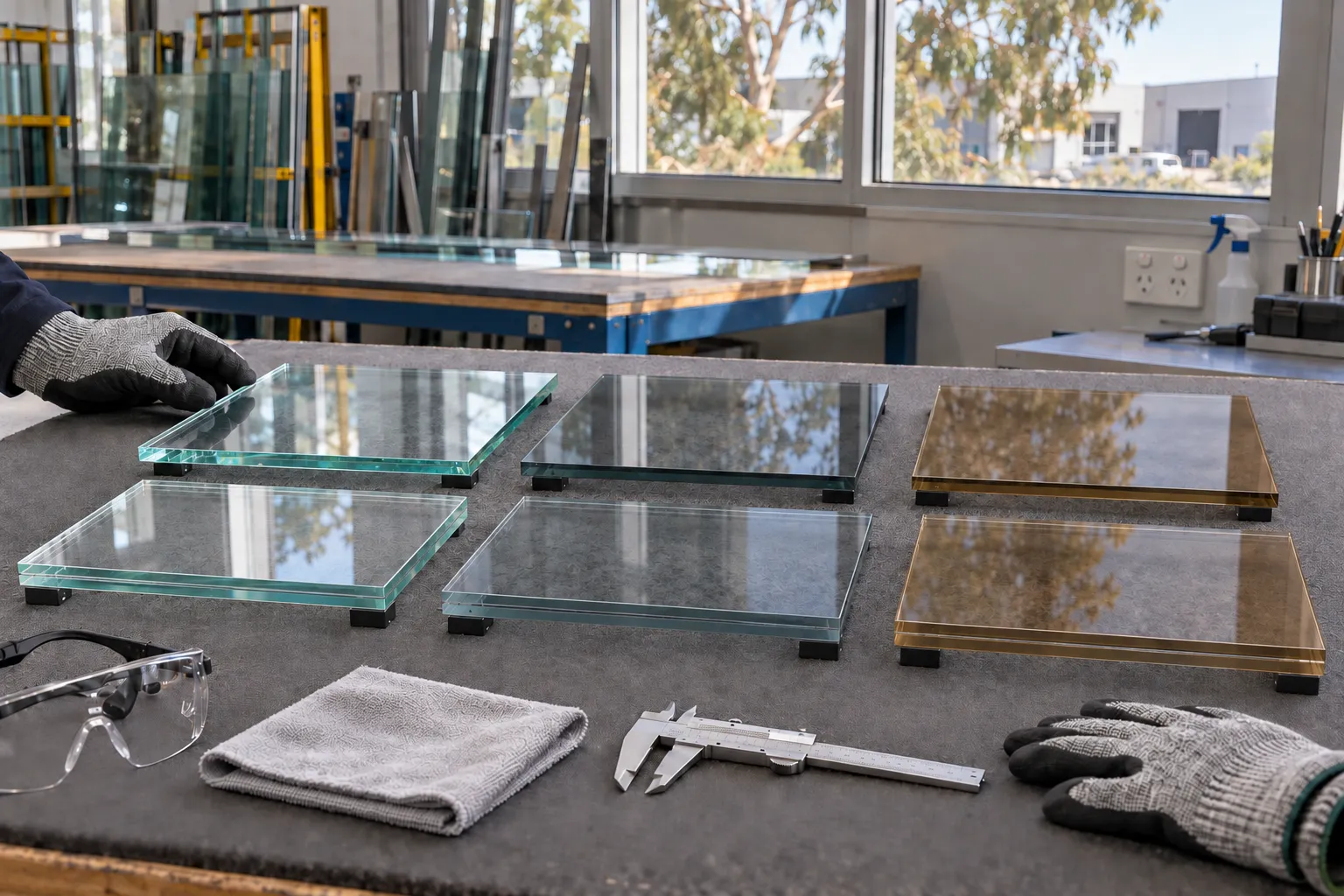
Choosing the right glass table top involves more than selecting a thickness or colour. Glass type, size, edge finish, support structure and safety features can all affect its durability, appearance and everyday performance.
Ausflet Glass & Aluminium provides custom glass solutions to suit different table designs, furniture styles and practical requirements. From dining tables and desks to coffee tables and outdoor furniture, the glass can be specified according to the way each table will be used.
For those considering glass in Hobart, knowing how glass types, thicknesses, shapes and finishes differ can make it easier to select a table top that suits the furniture and intended setting.
Glass table tops are available in several types, with each offering different levels of strength, safety, appearance and durability. The most suitable option depends on the table's size, location, support structure and how it will be used.
Common options include toughened, laminated, tinted and speciality glass. The right choice can be tailored to dining tables, coffee tables, desks and other furniture depending on the required performance and finish.
The Australian Glass and Window Association provides further information about common glass types and properties, including toughened, laminated, tinted and coated glass.
Toughened glass is a popular choice for table tops in homes and commercial spaces. It is heat-treated to increase its strength compared with ordinary glass of the same thickness, making it suitable for surfaces exposed to regular everyday use.
If damaged, toughened glass breaks into small fragments rather than large sharp shards. It can also be produced in clear, tinted, frosted or painted finishes. Cutting, drilling and edge finishing must be completed before toughening because the glass cannot be modified afterwards.
Laminated glass consists of two or more glass sheets bonded with an interlayer such as PVB. If the glass breaks, the fragments generally remain attached to the interlayer, helping the panel stay together.
This can be suitable where retention after breakage or additional acoustic and security properties are important. Laminated glass can also be combined with toughened glass for applications requiring additional performance.
Speciality options can provide different appearances or practical features. Tinted glass in shades like grey or bronze can create a softer finish, while low-iron glass provides greater clarity. Frosted, patterned and painted glass can also be considered where a different level of privacy, texture or colour is required.
Other custom glass solutions can also incorporate tinted, frosted, patterned or toughened glass to suit different residential and commercial settings.
For most regularly used glass table tops, toughened glass is a common choice because it provides greater strength and improved breakage characteristics compared with standard annealed glass. It is suitable for dining tables, desks, coffee tables and other surfaces that may experience regular knocks or everyday loading.
Product Safety Australia recommends looking for toughened glass in coffee tables and other glass-topped furniture.
The need for toughened glass and the appropriate specification depends on the table's dimensions, support structure and intended use. The glass should also be fully specified before toughening, as cutting, drilling and other modifications cannot be carried out afterwards.
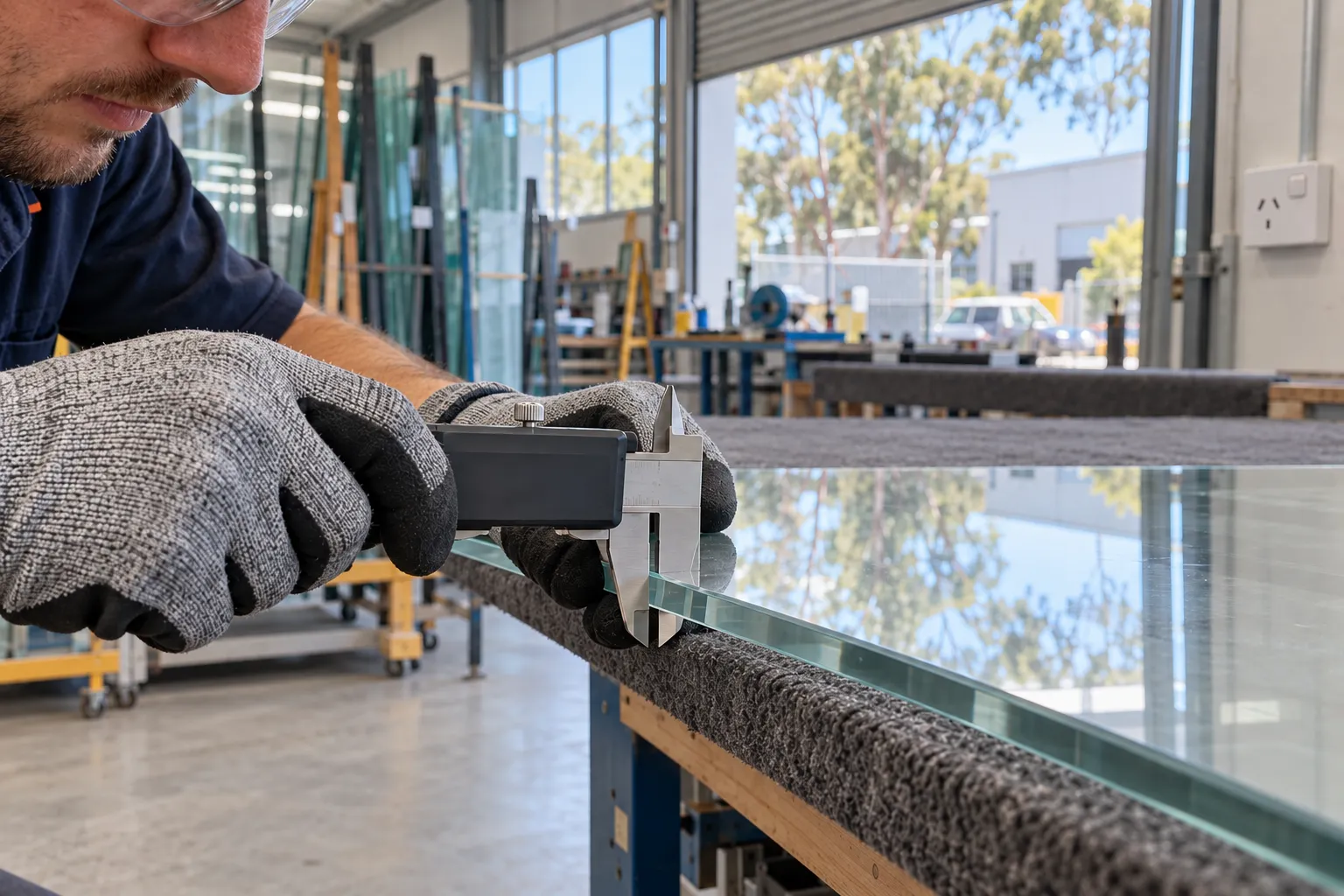
The appropriate thickness depends on the size of the table top, how it will be used and how much support is provided underneath. For many residential applications, 8 mm to 12 mm toughened glass can provide a suitable balance of strength, stability and appearance. Smaller, well-supported tops may suit thinner glass, while larger tops or designs with wider unsupported spans may require a thicker specification.
Large overhangs, limited support and heavier everyday use can also affect the required thickness. The position and spacing of the supports should be considered alongside the glass dimensions rather than selecting thickness based on size alone.
Glass table tops can be customised with different edge finishes, corner treatments and shapes to suit the furniture design and how the table will be used. These details can affect the appearance, comfort and overall finish of the table.
Popular edge finishes include polished, pencil round, bevelled and arrissed edges. A polished edge provides a clean appearance, while a pencil-round edge creates a softer profile. Bevelled edges add a decorative detail, while arrissed edges simply remove the sharpness from the glass.
Corners can also be rounded or clipped to reduce sharp points. The most suitable finish depends on the table style, level of use and desired appearance.
Rectangular and square tops are common for dining tables, desks and workspaces. Round tops remove sharp corners and can suit smaller spaces, while oval and racetrack shapes provide a softer alternative to traditional rectangular designs.
Custom glass table tops can also be produced in irregular shapes to follow an existing base or specific furniture design. Accurate measurements or a template may be required to ensure the glass fits correctly.
The right glass table top size depends on the dimensions of the base, the amount of usable surface required and the level of support underneath. For a replacement top, the existing table should be measured accurately from edge to edge. Round tables require the diameter, while rectangular and square tables require the overall length and width. Irregular shapes may require additional measurements or a template.
The position and spacing of the supports should also be considered, particularly for larger tops, pedestal tables or designs with an overhang. A modest, even overhang can provide additional usable space, but excessive unsupported glass may require a different size or thickness specification.
For custom glass table tops, measurements should be confirmed before the glass is cut and toughened. Experts can assess the table dimensions, support structure and overhang to help determine a suitable size for the finished top.
Yes, glass table tops can be made to measure to suit existing furniture, custom bases and unusual table designs. Custom sizing allows the glass to be produced in rectangular, square, round, oval or irregular shapes, making it suitable for replacing damaged tops or updating existing furniture without replacing the base.
Ausflet’s cut-to-size glass service can accommodate different dimensions, thicknesses, shapes and finishes for residential and commercial furniture.
Accurate measurements are important before manufacture, including the overall dimensions, support position and any required overhang. Irregular designs may require a template to ensure the glass follows the shape of the furniture correctly. The glass type, thickness, edge finish, corner treatment and any cut-outs should also be confirmed before toughening.
Professionals can gauge the existing furniture and support arrangement to help determine a suitable glass specification. This allows the finished top to fit the furniture correctly while providing the desired appearance and everyday performance.
Clear and tinted glass can both suit table tops, with the choice depending on the desired appearance, lighting and level of visibility. Clear glass keeps the table base visible and provides a neutral finish, while tinted glass adds colour and creates a softer, more defined appearance. Both options can be manufactured as toughened glass.
Clear glass is suitable when the table base or surface underneath is intended to remain visible. It provides a neutral appearance that works with different furniture styles and allows light to pass through the surface.
Tinted glass can provide a darker or softer finish while partially obscuring the surface underneath. Grey and bronze are common options and can also make dust, fingerprints and minor marks less noticeable.
The right glass table top should suit the size, position and type of support underneath. Four-leg bases and fully supported frames distribute the weight across several points, while pedestal and custom bases can leave larger areas unsupported. The amount of overhang should also be considered when selecting the glass size and thickness.
Four-leg and fully supported bases provide consistent support beneath the glass when the frame or legs are level and correctly positioned. Pedestal bases can create larger unsupported spans, so the glass size, thickness and overhang should be considered together with the pedestal position.
Trestles, sculptural supports, irregular frames and other custom bases may require more planning to ensure the glass is adequately supported. The location of each support, overall dimensions and intended use should be confirmed before manufacture. Specialists assess the base and help determine a suitable glass specification for the finished table top.
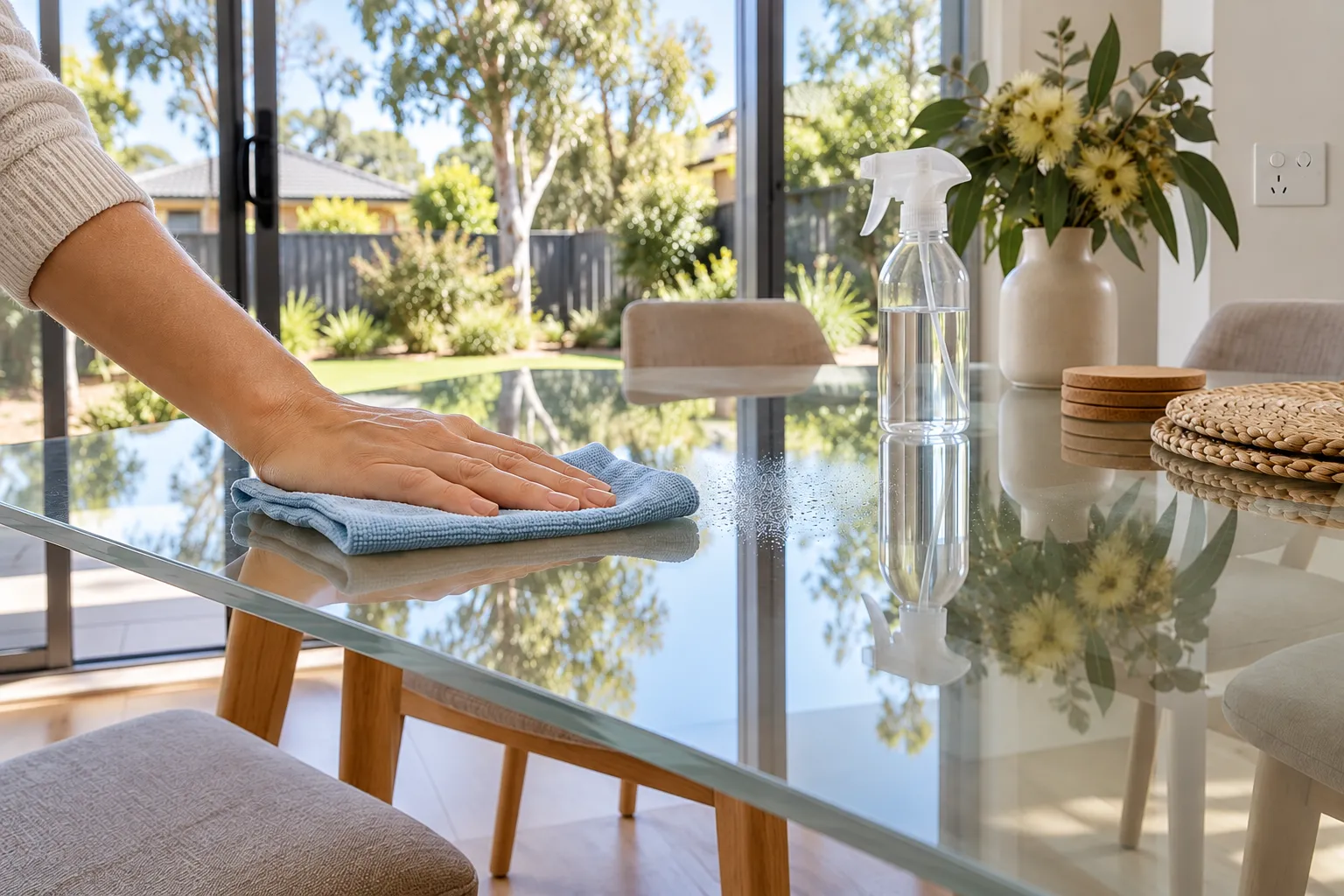
Glass table tops are relatively easy to maintain with regular cleaning and careful handling. Simple habits can help keep the surface clear while reducing the risk of scratches, stains and damage.
If the table top develops a crack, chip or other damage, follow this glass safety guide and arrange a professional assessment rather than attempting a DIY repair.
Experts provide advice on maintaining a custom glass table top based on its finish and intended use.
The cost of a glass table top depends on its size, thickness, glass type, shape and finishing requirements. Simple clear rectangular or square tops are more straightforward to manufacture, while larger or more customised designs may require additional materials and processing.
Here are factors that can affect the price:
Glass professionals assess the table dimensions, support arrangement and desired finish to provide a specification and quote based on the actual requirements.
The right glass table top should balance safety, durability, appearance and the way the table will be used. Toughened and laminated glass offer different safety and performance characteristics, while clear, tinted and speciality finishes provide options for achieving the desired look. Glass thickness, edge finish, table size and base support should also be considered to ensure the finished top is suitable for its intended setting.
Ausflet Glass & Aluminium can help select a suitable glass specification based on the table design, dimensions, support structure and finish required. With the right combination of glass type, thickness and detailing, a custom table top can provide a practical and refined surface for everyday use.
Get in touch with our team of glass experts now at Ausflet Glass & Aluminium. Discover the difference that working with the professionals can make!
Call Us Now!